November 1, 2026
The advent of engineered retaining walls has transformed how we approach landscaping and construction on challenging terrains. By addressing issues related to soil retention and stability on inclined land, these structures ensure safe habitable and cultivable areas. This article will provide an in-depth exploration of the different types of retaining walls that a residential excavation company can build, and their purposes.
Definition and Purpose
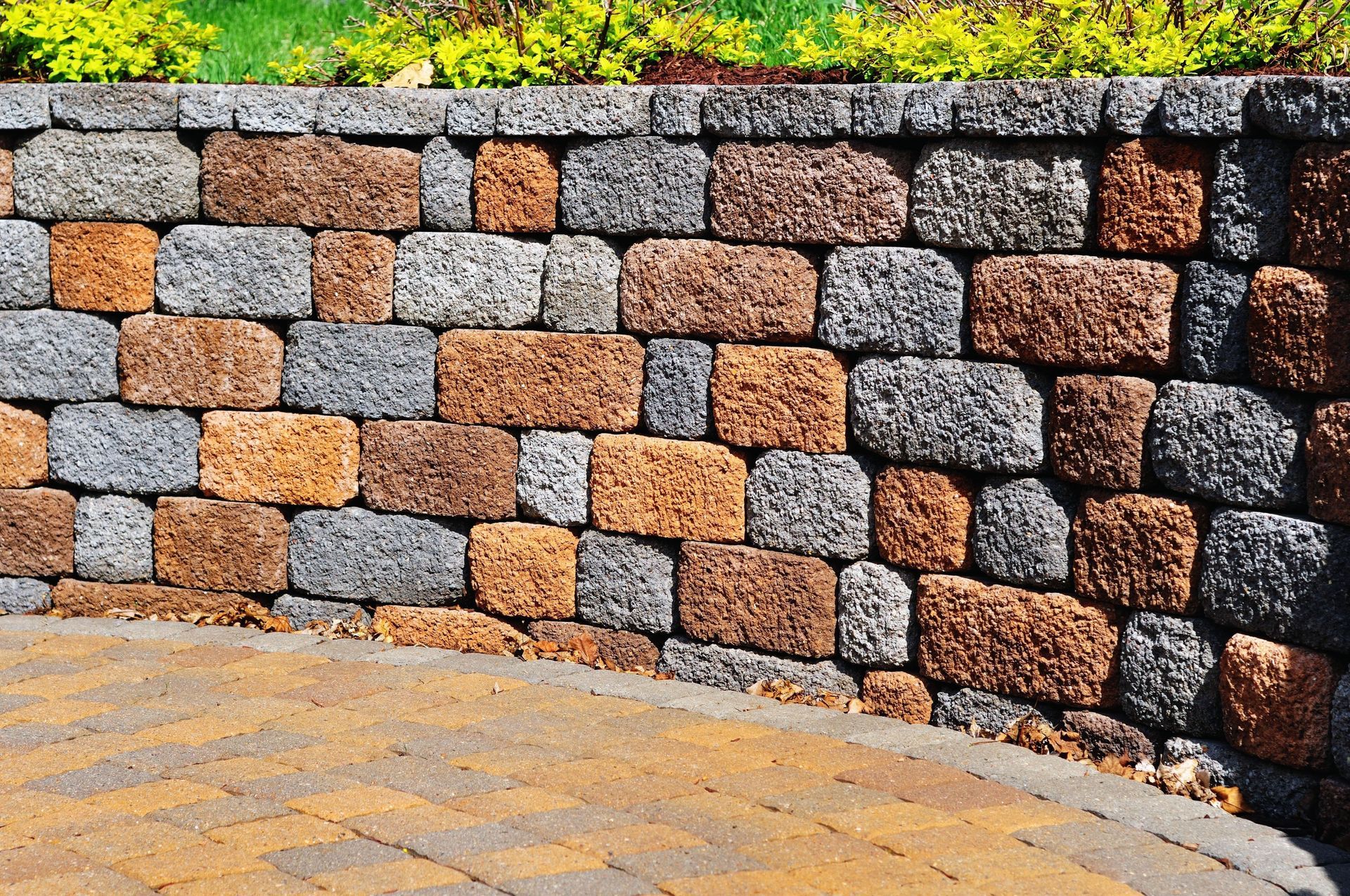
Retaining walls are rigid structures designed to hold back soil and stabilize landscapes, particularly on sloping terrain. They serve the primary purpose of preventing soil erosion and managing water drainage, often playing an integral role in creating level areas for construction and agriculture. By providing support to vertical or nearly vertical grade changes, retaining walls overcome the gravitational forces that move soil downward. These structures are vital in areas where terrain management is a challenge, ensuring safety and usability of the land. Their design varies based on purpose, site conditions, and aesthetic goals, each category serving different functions from basic soil retention to sophisticated landscape design features.
Their application can be seen in urban areas where space is limited, requiring innovative landscape solutions that maximize functional space. Furthermore, in rural and agricultural settings, retaining walls ensure the prevention of soil loss, maintaining fertile topsoil necessary for crop production. They are also crucial in areas prone to natural disasters like landslides and floods, offering additional protection and mitigating potential damage. The integration of modern engineering technologies has expanded the capabilities and efficiency of retaining walls, accommodating diverse environments and requirements. This adaptability underscores their significance in varied contexts, marrying functionality with environmental stewardship.
In essence, retaining walls combine structural strength with aesthetic versatility, making them indispensable in contemporary landscape architecture. They can enhance property value by adding visual appeal and practicality, transforming otherwise unusable space into functional gardens or living areas. As a barrier to erosion, they also contribute to the sustainable management of landscapes, especially in regions where topography and climate pose ongoing challenges. The future landscape management will continue to rely heavily on these systems, pushing the boundaries of what engineered solutions can achieve. This delicate balance of environment, technology, and design marks a new era in land-use innovation.
Gravity Walls
Gravity retaining walls rely on their mass to resist the lateral pressure of the soil behind them, making them one of the simplest forms of retaining wall systems. Their construction typically involves heavy materials like stone, concrete, or brick, chosen for their weight and durability to withstand the forces exerted by the retained soil. These walls are often found in areas where substantial support is needed, and space is not a constraint, given their thickness relative to height. The sheer mass of gravity walls serves as their primary defense against the overturning and sliding forces, maintaining stability despite severe slope conditions. Their simplicity in design and implementation makes them a common choice for residential and commercial applications where aesthetic considerations are modest.
Moreover, gravity walls can be customized in appearance, integrating local materials to blend harmoniously with the surrounding environment. They often incorporate buttresses or key features at strategic intervals to increase stability and improve load distribution. They require a solid foundation to maintain the structure's integrity, mitigating risks of subsidence or lateral movement over time. The durability of these walls is typically long-lasting, requiring minimal maintenance while providing continuous support. Thus, gravity walls exemplify robustness, remaining effective in their primary role of soil stabilization while adapting to varying landscape needs.
Nevertheless, there are limitations to the application of gravity walls, particularly in regions where seismic activity may compromise their effectiveness. In such scenarios, engineers might opt for alternative or supplemental retaining structures that balance aesthetic, structural, and economic considerations. Gravity walls, however, remain a practical solution in less volatile conditions, balancing traditional design principles with modern engineering enhancements. Their efficacy in preventing failure due to soil movement solidifies their presence in the array of available landscape strategies. Ultimately, their role in slope management is reaffirmed through continued engineering practice and adaptation to meet evolving challenges.
Cantilevered Walls
Cantilevered retaining walls are popular in scenarios requiring a balance of structural efficiency and space economy, suitable for mid-height wall constructions. They consist of a thin stem and a base slab, the weight of the soil aiding stability through leverage, characteristics that distinguish them from more massive gravity walls. Reinforced concrete is commonly used in their construction, providing sufficient tensile strength to withstand the forces imposed by retained soil. These walls are favored for their ability to provide substantial support, utilizing less material compared to gravity walls, making them cost-effective for many projects. By cleverly distributing pressure, cantilevered walls minimize material usage while maximizing load resistance, effectively integrating function with engineering precision.
The base slab of a cantilevered wall, built below the retained soil, contributes to wall stability by extending horizontally to form a footing. This footing not only counters the tipping forces but also ensures the wall remains anchored, essential in withstanding heavy loads and shear stress. Critical design considerations include the depth and breadth of the base, informed by soil type, wall height, and environmental conditions, which vary from site to site. The effectiveness of a cantilevered wall hinges on precise engineering calculations, ensuring they remain stable under expected loads and conditions.
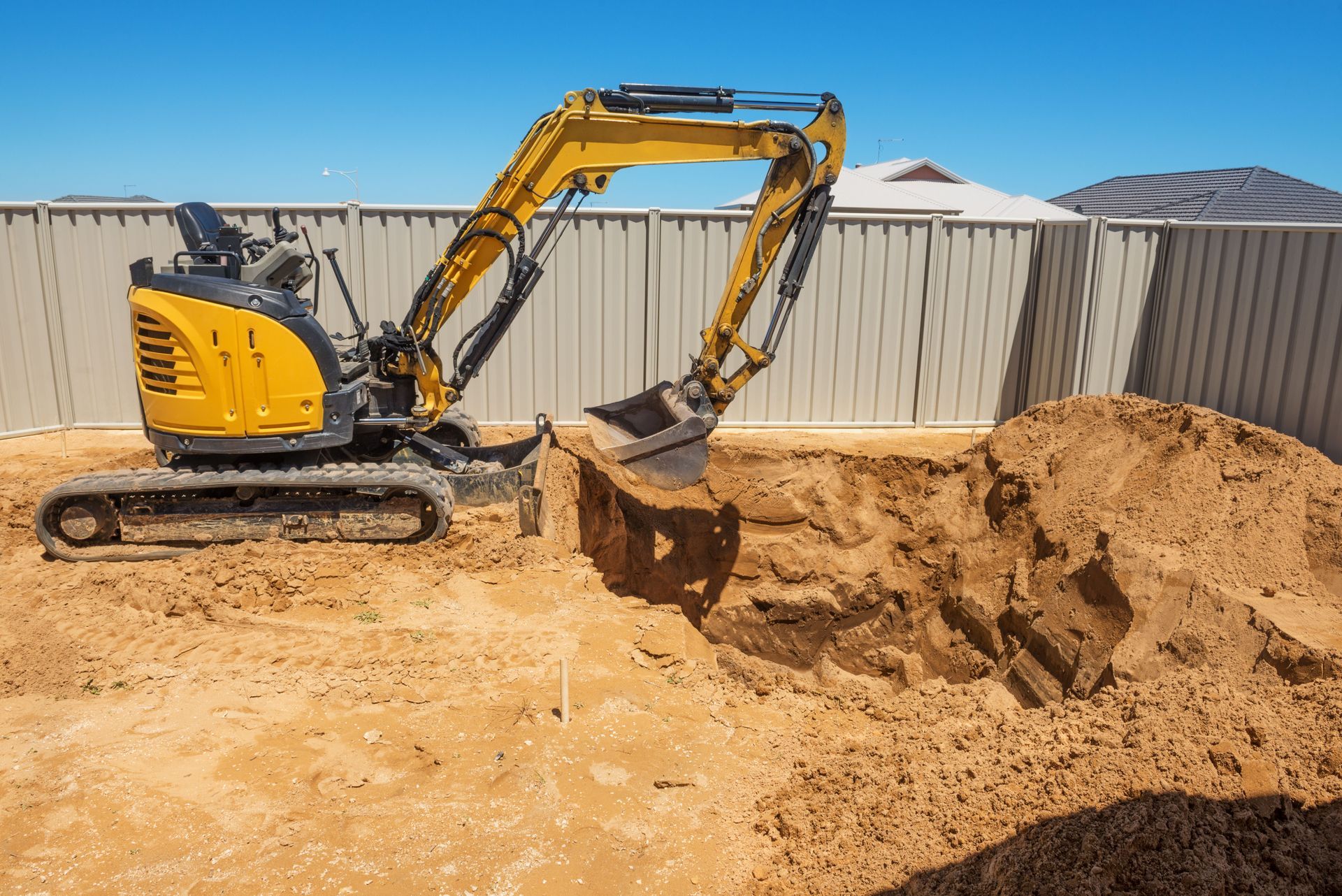
Despite their advantages, cantilevered walls can pose challenges in terms of excavation and the need for high precision during installation. According to OSHA, precautions such as testing for breathing hazards, like low oxygen and dangerous gases, become essential when excavating more than four feet deep to ensure worker safety. The requirement for proper drainage and the potential impact of environmental factors such as frost heave or soil settlement also demand careful planning. Moreover, installation requires a skilled workforce familiar with reinforced concrete construction, adding complexity to these projects. Cantilevered walls represent a balance of design efficiency and economic feasibility, embraced in diverse applications from roadway infrastructure to residential landscaping.
Anchored Walls
Anchored retaining walls offer an advanced solution for scenarios where extra support is necessary, particularly in challenging topographical or environmental circumstances. This type of wall utilizes anchors embedded deep within the ground to provide additional stabilization, ideal in situations where high loads are anticipated or space for wider walls is limited. The anchors, usually metal rods, extend into the earth from the wall face, secured by grouting to prevent any movement. This reinforcement allows a thinner wall to sustain greater loads, making anchored walls robust yet relatively economical in material usage. Their design versatility suits them to an array of applications, from highways and bridges to waterfront properties.
The construction of anchored walls involves drilling into stable strata, where anchors are affixed to fight against the forces of the retained soil. The process can be intricate, necessitating skilled labor and precise engineering to ensure the anchors are correctly placed and tensioned for long-term performance. This technique enhances the wall's load-bearing capacity while minimizing the visual impact on the landscape, maintaining the natural aesthetics with functional elegance. The effectiveness of anchored walls in resisting overturning and sliding underlines their capability in managing complex site challenges, adapting to both urban and rural landscapes. Anchored wall systems provide an essential method of structural support, crucial for sustainable land development where space or environmental constraints exist.
Engineered retaining walls are essential structures designed to manage sloped landscapes and prevent soil erosion, thus contributing significantly to environmental stability and sustainable land use. Such walls are critical in both urban and rural settings, supporting infrastructure and protecting ecosystems by controlling the movement of soil on slopes. As we delve deeper into this topic, it becomes evident that their importance extends beyond structural support, providing ecological and aesthetic value while presenting engineering challenges and opportunities for innovation. If you're looking for a reliable residential excavation company with retaining wall construction experience, reach out to AHC Excavation Co today!