May 7, 2026
In this article, we will explore the critical aspects of heavy construction services, with a particular focus on demolition and site removal work. These services are indispensable in reshaping urban landscapes and preparing sites for new developments. We will delve into various elements, including planning and site assessment, equipment and techniques, safety measures, environmental considerations, cost and time management, and future industry trends. As urbanization progresses, the demand for these services grows, contributing significantly to economies worldwide.
Site Assessment and Planning
Initial Site Evaluation
The first step in any demolition project is a thorough initial site evaluation. This involves assessing the site's physical and environmental characteristics. Planners must evaluate the surrounding structures, utilities, and possible ecological impacts. A critical aspect of site evaluation is the understanding of soil conditions, which can influence the choice of equipment and methodology. Proper site evaluation minimizes risks and sets the stage for successful project execution, especially when coordinating complex heavy construction services.
During the initial site evaluation, a comprehensive review of related documentation is required. This includes site maps, construction blueprints, and environmental reports. Historical site data can reveal past issues, such as contamination or structural concerns. Consulting with geotechnical experts and environmental scientists ensures that no stone is left unturned.
Regulatory Compliance
Regulatory compliance is crucial in the planning process of demolition projects. Compliance with local, state, and federal regulations ensures that projects proceed without legal hindrances. Key areas include adherence to safety standards, environmental laws, and zoning requirements. Understanding these regulations helps in avoiding penalties, work stoppages, or even project terminations. Ignoring these aspects can lead to detrimental effects on both the project timeline and cost, particularly in projects involving heavy construction.
To maintain compliance, project managers often work with legal advisors specializing in construction law. These advisors help interpret the myriad of regulations that affect demolition and site removal projects. In addition to legal counsel, project managers must stay up to date on regulatory changes, as they can affect planning and execution. Compliance extends beyond mere compliance with regulations; it involves proactive measures to exceed minimum requirements where possible. This proactive stance elevates industry standards and drives continuous improvement.
Structural Analysis of Existing Buildings
Conducting a structural analysis of existing buildings is an essential part of the planning process. Engineers and architects collaborate to assess the stability and composition of structures slated for demolition. Understanding the structural intricacies enables the appropriate selection of demolition methods and equipment. Accurate structural analysis is vital for ensuring the safety of demolition personnel and surrounding properties. It also helps estimate the potential salvage value of materials, influencing overall project costs and resource allocation.
This analysis involves detailed inspections and the use of technology to map the structural components. Advanced tools, such as 3D scanning and modeling software, are utilized for precise analysis. The gathered data highlights weak points and areas of concern, informing strategies to mitigate risks. Structural analysis not only helps develop safe demolition plans but also enables the identification of architectural elements of historical significance. Preserving valuable components is both an economic and cultural consideration.
Risk and Hazard Assessments
A thorough risk and hazard assessment is indispensable for any demolition project. This evaluation identifies potential threats and develops strategies to mitigate them, protecting both workers and surrounding communities. Common risks include structural instability, hazardous materials, and environmental hazards. According to an IBISWorld report, the U.S. excavation contractors market is poised to reach $203.1 billion by 2026, underscoring the booming industry and the need for stringent risk management. Anticipating risks not only safeguards the project but also ensures compliance with regulatory requirements.
This assessment requires input from interdisciplinary teams, incorporating engineering expertise, environmental science, and occupational safety knowledge. Risk assessments often involve desk-based research, site visits, and consultations with local authorities and residents. Predictive modeling tools can simulate potential scenarios, allowing teams to formulate contingency plans and emergency response strategies. This proactive approach instills confidence among stakeholders and promotes a culture of safety and preparedness.
Equipment and Techniques
Types of Demolition Equipment
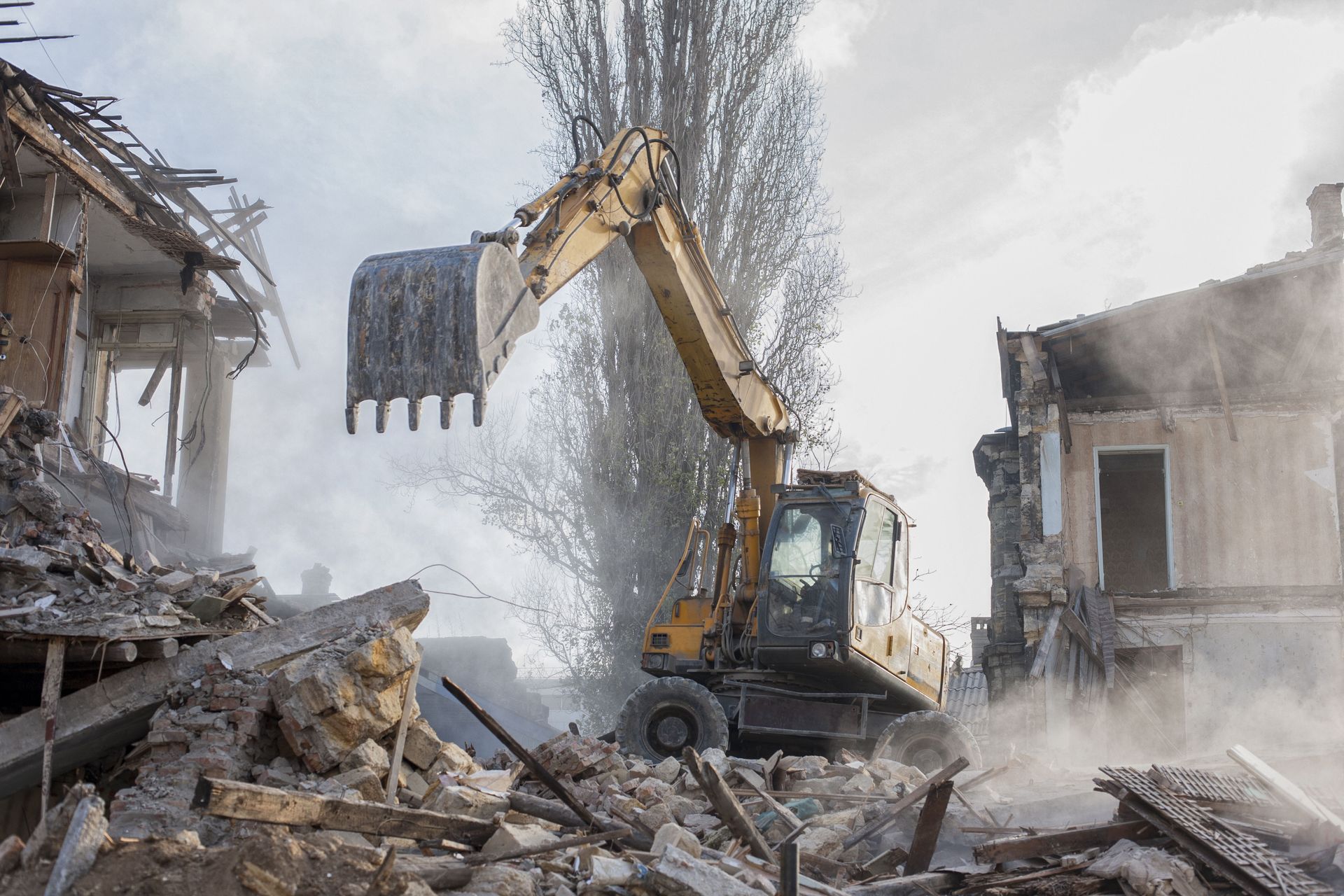
The selection of demolition equipment is critical to the project's efficiency and safety. The equipment chosen depends on the project's scale, material types, and specific demolition methods. Commonly used equipment includes wrecking balls, excavators, bulldozers, and high-reach arm machines. Each type of equipment has its advantages and specific use-cases, tailored to the requirements of different demolition tasks. The coordination and proper use of these machines ensure a swift, effective demolition process, minimizing downtime and maximizing resource efficiency across a wide range of heavy construction services.
Besides traditional machinery, technological advancements have introduced cutting-edge equipment that enhances demolition capabilities. Modern hydraulic breakers, crushers, and selective demolition devices allow for precise material separation and recycling. These advanced machines improve sustainability by reducing waste and enabling the reuse of materials. The integration of technology into demolition equipment continues to revolutionize the industry, driving efficiency and safety enhancements within modern heavy construction services. Staying abreast of these innovations positions construction firms as leaders in the field.
Demolition Methods
Various demolition methods cater to different structural demands and project goals. The choice of method can influence costs, timelines, and environmental impact, making it a crucial decision in planning. Techniques include implosion, mechanized demolition, selective dismantling, and deconstruction. Each method has its unique benefits and challenges, requiring careful consideration of site conditions and project objectives. Selecting the appropriate heavy construction services ensures a balance between efficiency, safety, and sustainability.
Implosion, a high-profile method, involves strategically placing explosives to cause a controlled collapse. This approach is suitable for large buildings located in dense urban areas, minimizing collateral damage. While efficient, implosion requires meticulous planning and precise calculations to ensure success, with significant emphasis on safety and regulatory compliance. Alternatively, mechanized demolition with heavy machinery offers versatility for a wide range of structures, enabling precise, controlled dismantling. This method enables the selective removal of materials, thereby optimizing recycling efforts.
Site Clearance Equipment
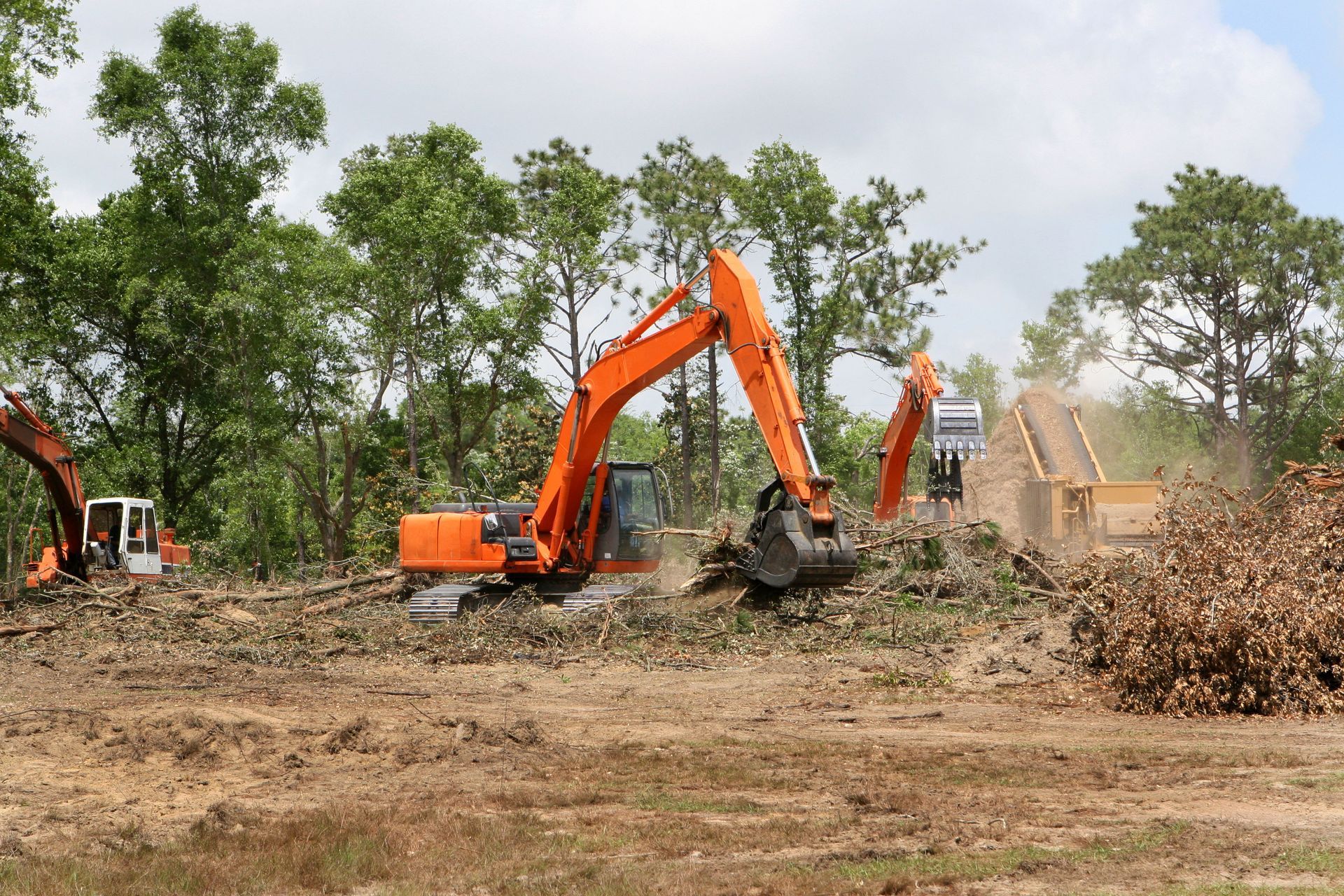
After demolition, site clearance is a critical task that requires specialized equipment to remove debris and prepare the area for future development. Equipment such as loaders, dump trucks, and compactors plays a pivotal role in the efficient removal of rubble and waste. These machines facilitate rapid site clearance, ensuring the prompt commencement of heavy construction services. Their functionality and versatility allow for adaptability across various terrains and project scales.
Technological advancements continue to shape the development of site clearance equipment, with a focus on efficiency and environmental impact. Innovations include electric-powered machinery that reduces emissions and noise pollution in urban settings. Smart sensors and automated systems further enhance operational accuracy and resource efficiency. These technological improvements align with broader industry trends towards sustainability and reduced environmental footprints. Embracing such innovations propels businesses toward more sustainable, profitable operations.
Innovative Technologies in Demolition
The demolition industry is witnessing a technological revolution that enhances efficiency, safety, and environmental stewardship. Innovative technologies such as drones, robotic systems, and digital modeling are becoming integral to modern demolition practices. Drones provide aerial surveys and real-time monitoring, offering valuable insights into project progress and site conditions. These capabilities aid in effective decision-making and optimize resource allocation. Robotics, on the other hand, facilitates remote demolition tasks, minimizing human exposure to hazardous environments.
Digital modeling and Building Information Modeling (BIM) technologies are gaining traction in demolition planning. These tools enable virtual project simulations, allowing potential issues to be identified before physical work begins. Such foresight enhances project accuracy and mitigates risks associated with unforeseen complications. BIM further strengthens collaboration among project stakeholders, streamlining communication and improving efficiency. The integration of these technologies signifies a shift towards data-driven and precision-led demolition solutions.
Comprehensive Heavy Construction Services for Commercial and Industrial Projects
Successful demolition and site removal projects rely on careful planning, the right equipment and techniques, and a strong commitment to safety and environmental responsibility. From initial site assessment to final clearance, every step plays a critical role in ensuring projects are completed efficiently, on time, and within budget. As the industry continues to evolve with new technologies and growing demand, working with an experienced team becomes more important than ever. AHC Excavation Co. brings the expertise, precision, and reliability needed to handle complex heavy construction services, helping property owners and developers move forward with confidence.