October 29, 2026
In this article, we delve into the process of residential excavation projects. If you're planning a construction project that involves excavation, understanding what to expect can help you prepare better and avoid common pitfalls. Excavation is a foundational step in many construction projects. Its importance cannot be overstated, as it sets the groundwork—literally—for much of what follows. By gaining insight into the process, potential challenges, and post-excavation considerations, you can navigate your project with confidence and efficiency. This preparation empowers you to make informed decisions that can save time and resources. With the right knowledge and approach, you can ensure a seamless and successful execution of your project.
Prepare Your Property for Residential Excavation
Preparation for a residential excavation project begins before any equipment touches the soil. First and foremost, it is essential to have a clear and comprehensive plan. This includes obtaining any necessary permits and ensuring legal compliance. Clear communication with the contractor is vital to set expectations and timelines. It's advisable to have a detailed contract that outlines the scope of work, costs, and timelines to avoid misunderstandings later. Furthermore, engaging with local authorities can facilitate smoother permit acquisitions and compliance checks. Being proactive in these steps can reduce potential legal or logistical hiccups down the line.
Additionally, site preparation is crucial. This may involve clearing the area of any debris, trees, or structures that might impede the excavation process. Identifying the location of underground utilities such as water, gas, and electrical lines is also critical to avoid any disruptions or hazards during excavation. A surveyor may be employed to mark boundaries and provide a topographical map of the site to help guide the excavation process. Properly preparing the site ensures that the excavation team can function safely and effectively. This preparation also foresees and mitigates potential site-specific issues that could arise during excavation.
Understand the Residential Excavation Process
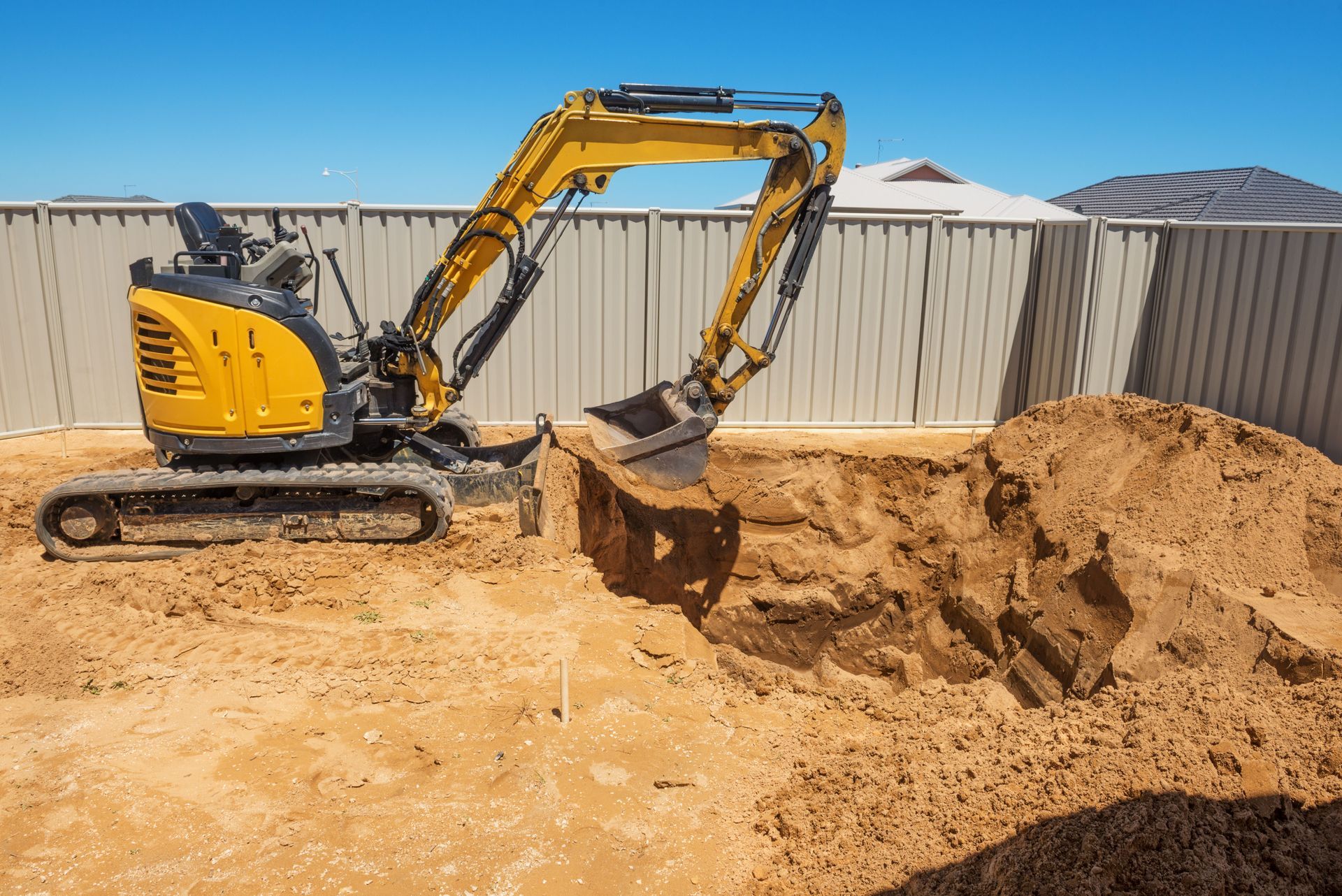
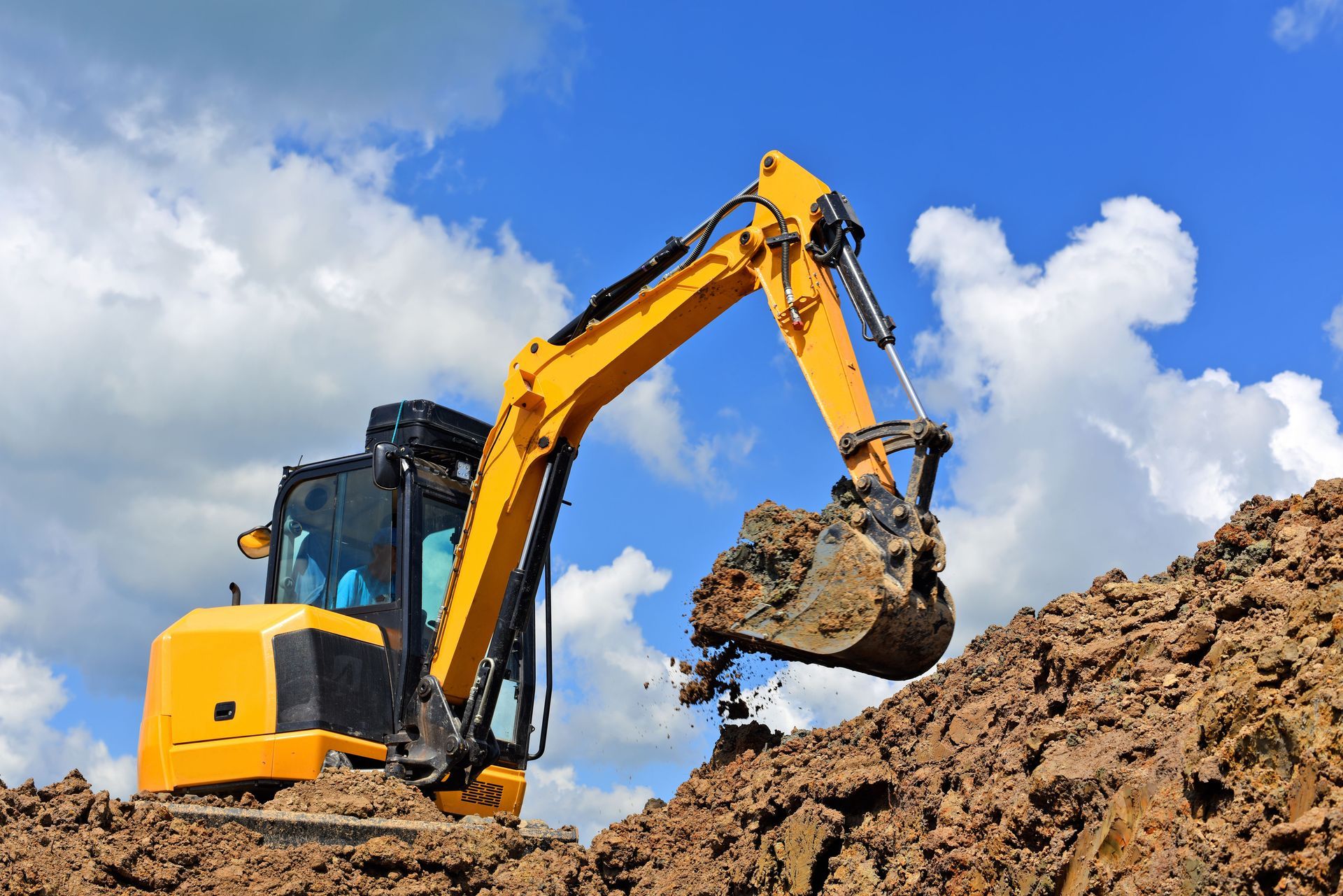
The actual excavation process involves several steps, each crucial to ensuring the integrity and quality of the construction foundation. The process typically begins with a surveyor marking exact boundaries. Heavy equipment like bulldozers and excavators is then brought in to begin digging according to the precise measurements provided. It's a meticulous process, often involving the removal of significant amounts of earth, rock, and sediment to reach a stable and suitable layer for construction. Close monitoring throughout the excavation process is essential to maintain the accuracy and quality of work. By adhering to sound practices, you reduce the risk of future structural issues.
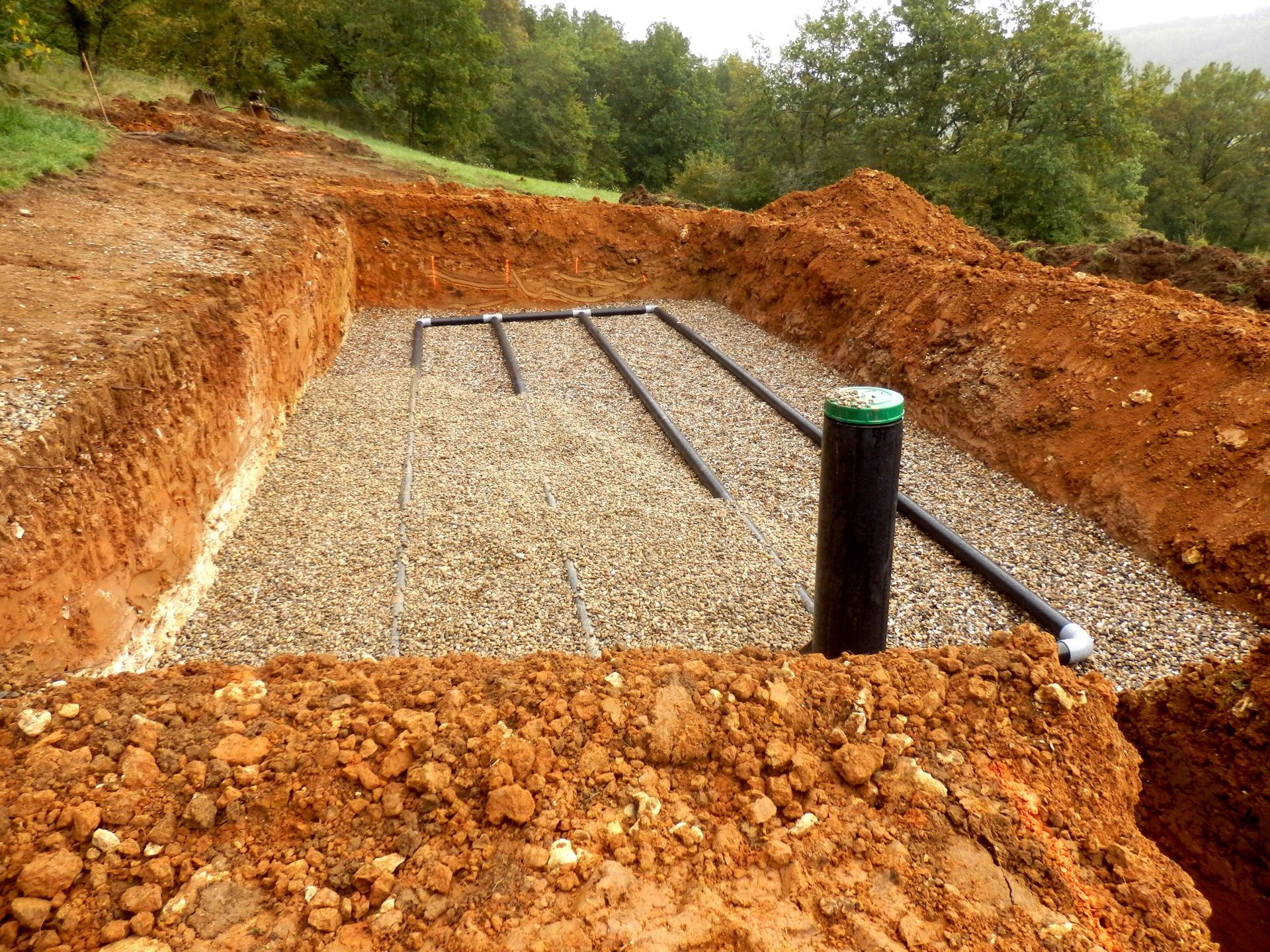
According to HomeGuide, for small projects, the excavation itself typically takes one to three days, though larger projects may take longer. The time it takes can vary based on soil type, project size, and weather conditions. After reaching the necessary depth, the site is prepared for the next phase of construction, which typically involves creating a base of compacted gravel or concrete to further stabilize the foundation. Ensuring that the site is properly stabilized is fundamental to upholding the safety and integrity of subsequent construction stages. Additionally, clear documentation of the process can protect and guide future project assessments.
Anticipate Common Excavation Challenges
Residential excavation projects encounter common challenges that can affect timelines and budgets. Unforeseen weather conditions like heavy rain can halt progress and complicate the work by making the soil unstable. Mitigating this involves planning for weather and having contingency measures in place, such as site drainage solutions, to manage excessive water effectively. Anticipating these challenges with a flexible scheduling plan also optimizes workforce management. Moreover, innovative technology integration can enhance efficiency and response to unforeseen delays.
Another common obstacle is running into subsurface obstructions, such as rocks or unexpected utility lines. These issues can cause delays and increase costs. Prior site assessments and professional surveys can help identify some of these risks beforehand. In cases where issues arise unexpectedly, having a flexible project plan and a responsive contractor can help address the problem promptly, minimizing its impact on the overall timeline. Utilizing advanced detection equipment can aid in avoiding unforeseen underground surprises. Partnering with experienced excavation professionals can provide insights and strategies to navigate these obstacles effectively.
Protect Your Foundation With Quality Excavation
The quality and precision of residential excavation significantly impact future construction activities. A well-executed excavation ensures the stability and durability of the building's foundation, which is critical for the overall structural integrity of the project. Mistakes or poor execution during excavation can lead to foundational issues, which may result in costly repairs and stability concerns in the building later. Consequently, prioritizing meticulous excavation lays a solid groundwork for the successful execution of future construction tasks. It's an investment that pays off by averting safety hazards and potentially expensive reconstruction needs.
Additionally, a properly excavated site aids in effective water drainage and prevents water accumulation around the foundation, safeguarding it against water damage. The excavation phase can also outline and correct any natural slope of the land, which is vital in managing surface water runoff and preventing erosion. This groundwork paves the way for a more seamless transition into subsequent construction phases, like footing and foundation installation. Moreover, superior excavation can contribute to sustainable development by enhancing the long-term viability and environmental harmony of the structure. These considerations ultimately solidify the foundation for a successful and sustainable project outcome.
Complete Essential Post-Excavation Steps
After the excavation work is complete, several considerations need to be addressed to ensure continued success in your project. The site must be inspected to ensure that it meets the project's specifications and that no adjustments are necessary before moving forward. It is important to maintain regular communication with your project manager or contractor to address any immediate concerns that might impact future stages of construction. Inspections at this stage can prevent complications during the subsequent phases of construction. This step not only safeguards project quality but also upholds compliance with relevant standards and codes.
Additionally, taking measures to protect the site against erosion and environmental impact is important. Covering exposed areas with protective sheeting or applying temporary seeding can prevent erosion until permanent structures or landscaping are in place. Understanding post-excavation measures takes into account aspects like soil composition, local environmental regulations, and climate to ensure the construction is sustainable and adheres to all necessary guidelines. These measures not only conserve the existing landscape but also promote a continuous project cycle that is responsible and environmentally considerate. Adapting to the site's specific needs can enhance the construction's overall success and resilience.
Understanding the ins and outs of a residential excavation project can greatly enhance the outcome of your construction endeavors. Proper preparation, awareness of the excavation process, and addressing potential challenges efficiently can ensure the success of your project. By investing time in planning and staying informed about every phase, from initial preparation to post-excavation considerations, you add significant value to your project's durability and success. Be sure to consult with experienced professionals and leverage their insights to make informed decisions throughout the process. Staying proactive in monitoring and adjusting plans helps maintain progress and adapt to any unforeseen circumstances effectively. The knowledge and preparedness you bring to the table can significantly impact your final project's longevity and quality. Reach out to AHC Excavation Co to learn more about our residential excavation services today.