April 28, 2026
Excavation services play a key role in modern construction, especially when preparing land for basements, foundations, and other subsurface structures. As development continues to expand in residential and commercial spaces, proper excavation services ensure that sites are safely prepared for building, grading, and long-term structural stability. From clearing land to shaping terrain and supporting new construction, excavation work forms the foundation of successful projects. Its importance continues to grow as property development becomes more complex and site conditions vary widely across different environments.
Foundational Excavation Services Overview
Define Scope and Purpose
Excavation services involve the removal and movement of soil, rock, and other materials to prepare a site for construction or land improvement. This work is essential for creating stable foundations, shaping landscapes, and supporting a wide range of building projects. Excavation can range from small residential work to large commercial site preparation, depending on the size and needs of the project. It also supports essential groundwork for grading, drainage, and structural preparation before construction begins. In many cases, excavation services are the first step in turning undeveloped land into a usable site.
Classify Excavation Types
Different excavation methods are used depending on the needs of the site. Site excavation is commonly used for preparing land for new structures, including homes and commercial buildings. Trenching is used when preparing narrow areas for utilities or drainage pathways. Open excavation is often used for larger projects where broader land areas need to be reshaped or cleared. Each method is selected based on site conditions, project goals, and the level of preparation required.
Utilize Tools and Equipment
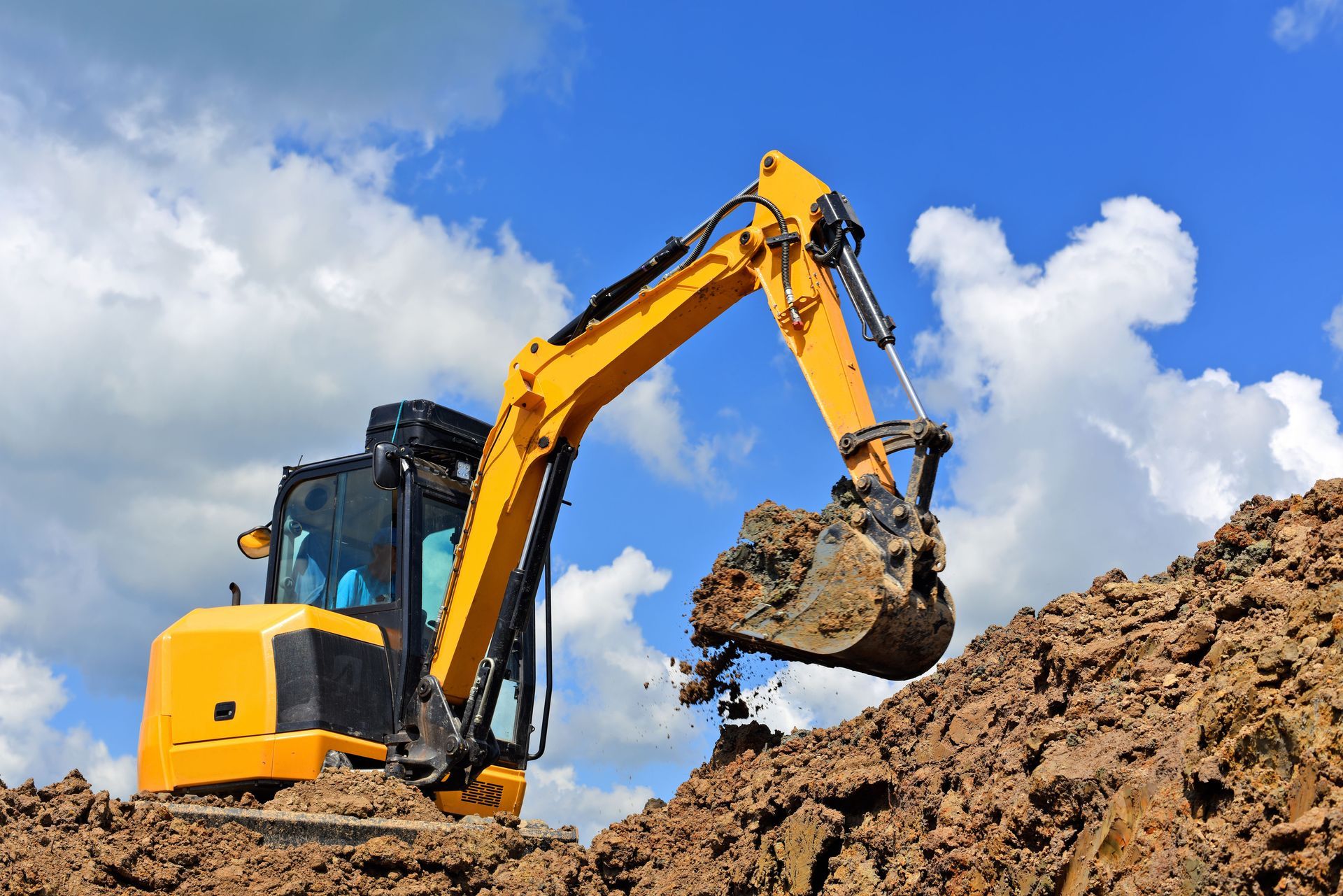
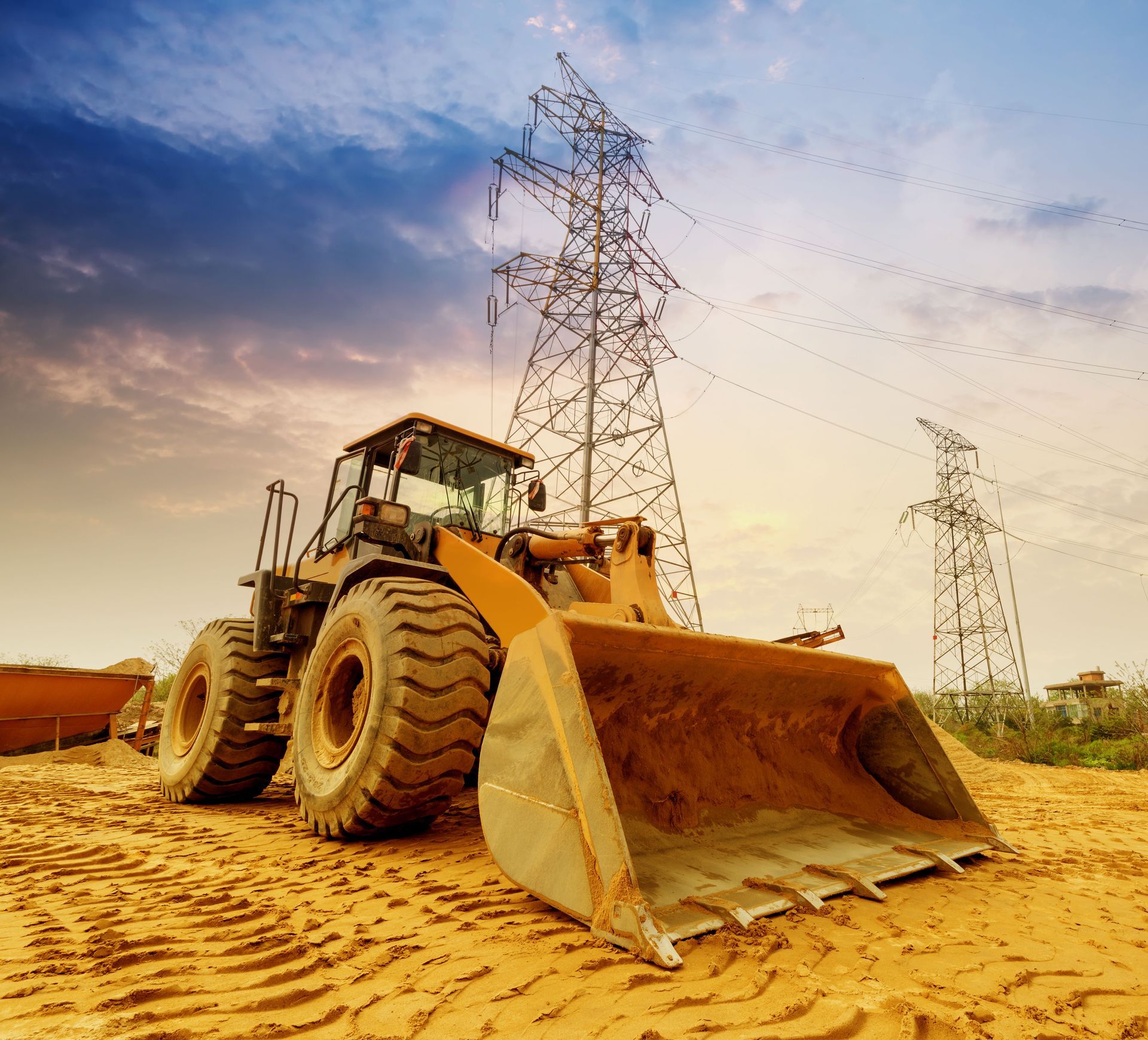
Excavation projects rely on heavy machinery designed to efficiently move earth and prepare land. Equipment such as excavators, backhoes, and bulldozers are commonly used for digging, grading, and clearing materials. Smaller tools are used for finishing work in tighter areas or for more detailed site adjustments. The right equipment ensures that excavation work is completed safely, efficiently, and in line with project requirements.
Maintain Health and Safety Standards
Safety is a major priority in excavation work due to the use of heavy machinery and changing ground conditions. Proper procedures are followed to help maintain safe working environments and reduce risks on-site. This includes careful planning, equipment checks, and ongoing awareness during excavation activities. Safe practices help ensure that projects are completed without unnecessary delays or hazards.
Manage Environmental Considerations
Excavation work requires attention to surrounding land conditions to help minimize disruption to the environment. Careful planning helps reduce issues such as soil displacement and ensures that land is managed responsibly during and after excavation. Proper handling of materials and site cleanup also supports responsible land use and helps maintain the condition of surrounding areas.
Planning and Design of Excavation Services
Evaluate Site Conditions
Before excavation begins, the site is reviewed to understand land conditions and determine the best approach for the work. This includes evaluating soil type, terrain shape, and access points for equipment. A proper site assessment helps guide excavation planning and ensures the work is carried out efficiently and safely.
Plan Project Scope
Careful planning is essential to ensure excavation work aligns with construction goals. This includes determining the scope of digging, grading requirements, and material removal needs. Clear planning helps reduce delays and ensures the site is properly prepared for the next stages of construction. Excavation services are often central to this planning process because they establish the groundwork for all future site activity.
Prepare Structural Layouts
Excavation work must be performed with attention to surrounding structures and planned building layouts. Proper preparation ensures that the ground is shaped and stabilized according to project needs, allowing for a solid foundation and responsible construction outcomes.
Estimate Project Costs
Overall, project costs for excavation are typically based on factors such as site size, soil conditions, equipment needs, and the scope of work required. Understanding these elements helps guide budgeting and ensures that resources are allocated effectively throughout the project.
Executing Subsurface Excavation Work
Evaluate Soil Conditions
Understanding soil conditions is an important part of excavation work. Different soil types can affect how land is excavated, shaped, and prepared for construction. Evaluating ground conditions helps determine the most effective approach for completing the work safely and efficiently.
Apply Excavation Methods
All in all, excavation methods are chosen based on project requirements and site conditions. These may include general digging, grading, and material removal to prepare land for construction. Each method is selected to ensure efficiency, safety, and proper site readiness. Excavation services are applied throughout this process to ensure consistent and controlled site development.
Shape and Grade Sites
Grading is used to shape and level land for construction projects. This step ensures proper elevation, drainage flow, and stability for future structures. Effective grading is essential for creating a strong foundation and supporting long-term site performance. Excavation services play a direct role in achieving these site conditions before construction begins.
Monitor Work Quality
Ongoing attention during excavation helps ensure the work is completed accurately and meets project expectations. Monitoring site conditions and adjusting work as needed helps maintain consistency and quality throughout the process.
Handling Excavation Project Challenges
Adjust to Site Conditions
During excavation, varying soil or ground conditions may require adjustments to the original plan. Flexibility in approach helps ensure the project continues smoothly while maintaining safety and site stability.
Respond to Weather Impacts
Weather conditions can affect excavation timelines and site accessibility. Planning work around weather changes helps reduce delays and maintain consistent progress on the project.
Coordinate Project Work
Clear coordination helps keep excavation work organized and efficient. Effective communication between crews and project stakeholders ensures that work progresses smoothly and meets project requirements. According to IBISWorld, in 2025, the U.S. excavation contractors industry had about 235,496 businesses, up 0.5% from 2024.
Clearing and Preparing Excavation Sites
Remove Vegetation
Land clearing involves removing trees, brush, and other vegetation to prepare a site for construction. This step helps create a clean and accessible work area for excavation and grading. Excavation services are often used immediately after clearing to transition the site into active preparation for construction.
Remove Stumps and Debris
Removing stumps, roots, and leftover debris is an important part of preparing land for development. This ensures the site is clear and ready for excavation and construction work.
Clean Up Sites
After excavation and clearing, cleanup work helps restore order to the site. This includes removing excess materials and preparing the area for the next phase of construction.
Handling Excavation Materials
Transport Materials
Excavation projects often require moving soil, gravel, and other materials to and from the site. Proper hauling ensures efficient site management and supports ongoing construction needs. This includes this material movement to keep projects running smoothly from start to finish.
Remove Debris
Excess materials and construction debris are removed from the site to maintain a clean and functional work environment. This helps keep the project organized and efficient.
Building Structural Foundations
Prepare Foundations
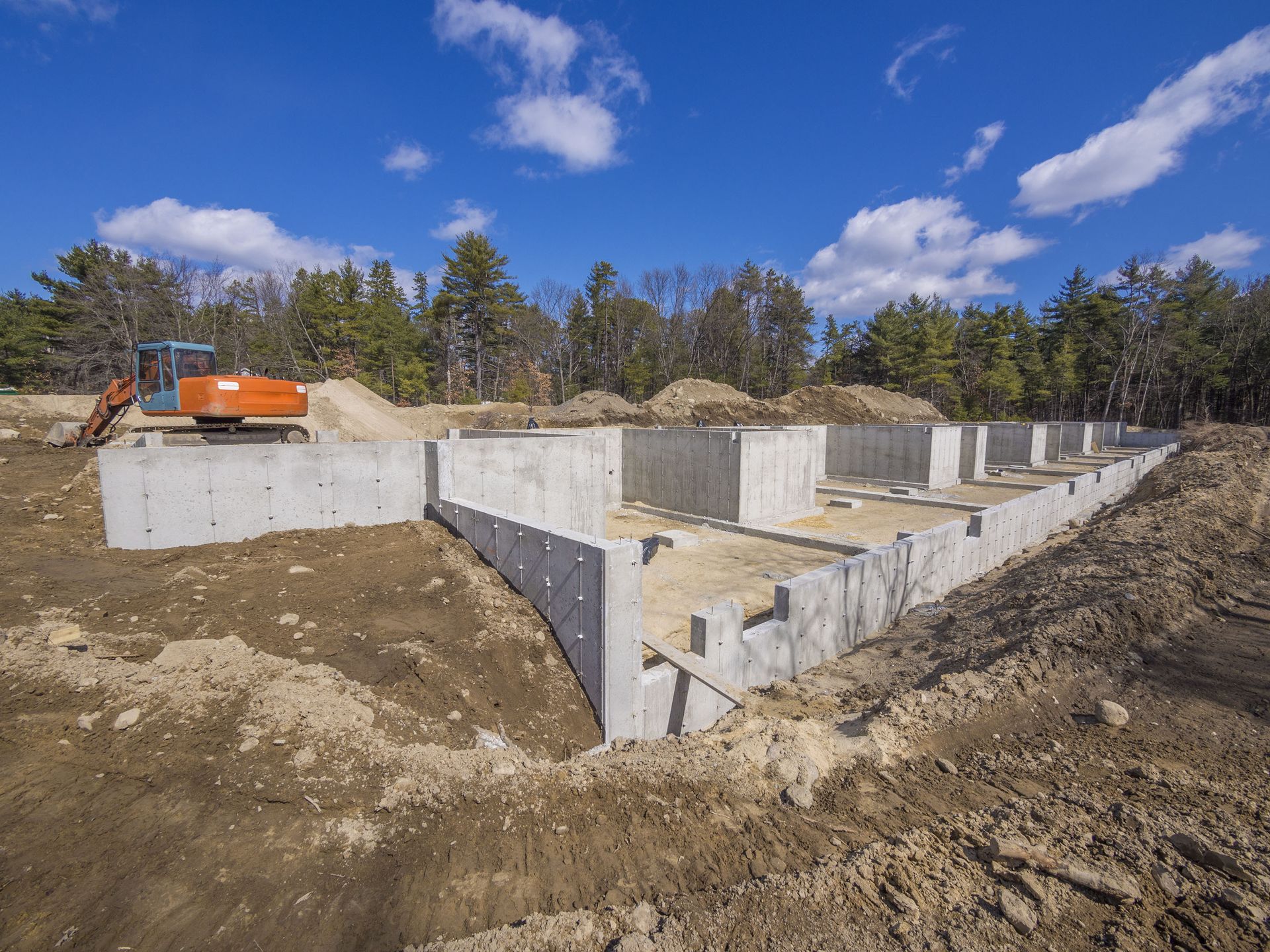
Excavation work is often used to prepare land for concrete foundations. This includes shaping and leveling the ground to support stable construction.
Support Retaining Structures
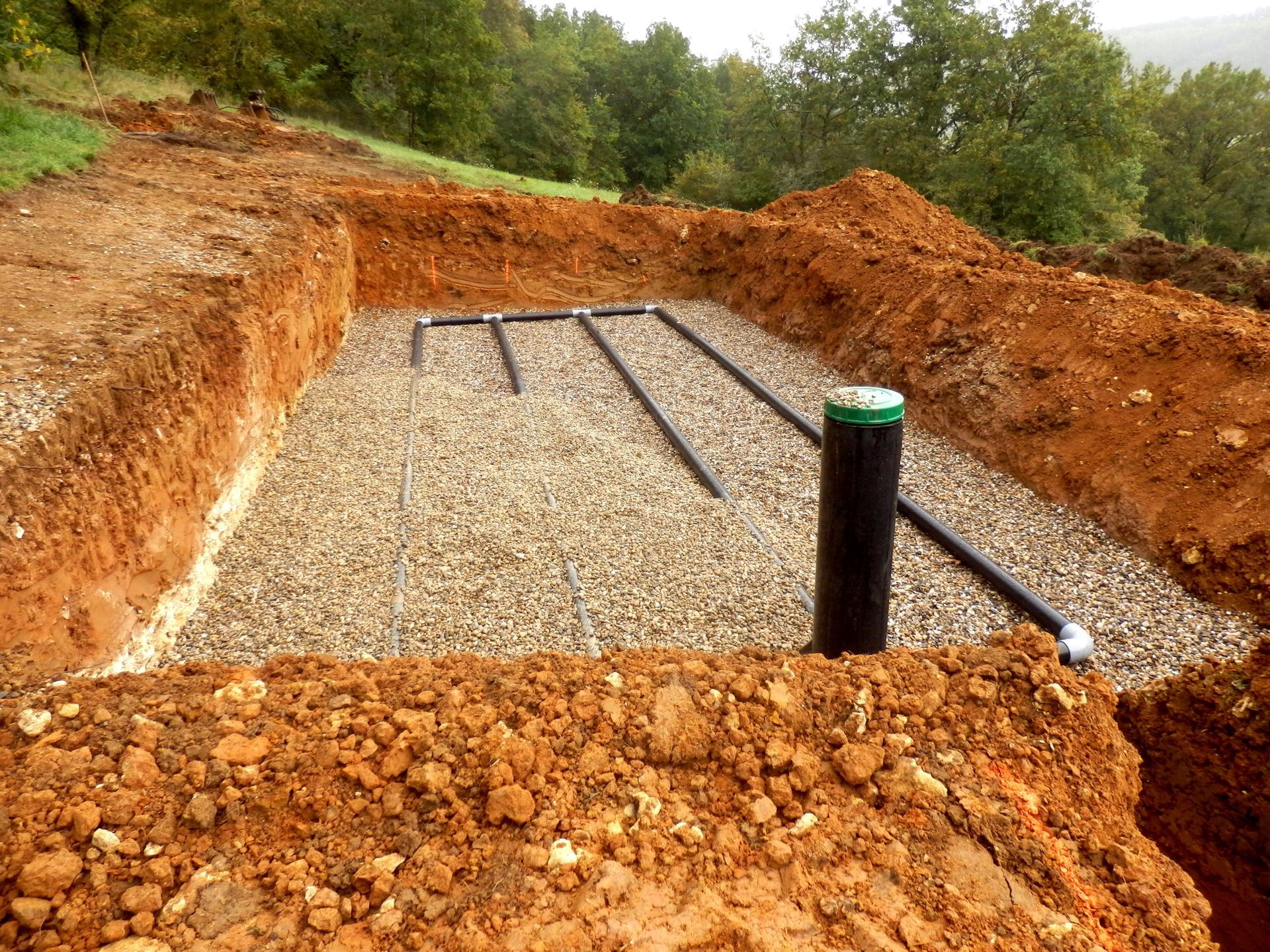
Excavation also supports the preparation of land for retaining structures that help manage elevation changes and stabilize soil in certain areas.
Excavation services play a vital role in preparing land for construction, from grading and clearing to foundation work and material removal. They help ensure each site is properly shaped, stabilized, and ready to support projects of all sizes with confidence. To learn more about excavation, grading, land clearing, hauling, drainage support, and site preparation services, visit AHC Excavation Co.