September 25, 2026
In the expansive and capital-intensive realm of real estate, every single dollar invested carries significant financial weight. Engaging professional site and land development services is an essential strategic move for protecting upfront capital, mitigating unforeseen liabilities, and driving long-term profitability. Converting raw, undeveloped acreage into a functional, revenue-generating commercial or residential asset requires extensive financial analysis, geotechnical engineering, environmental stewardship, and strict project governance. Engaging seasoned development experts ensures projects advance seamlessly from early feasibility analysis through complete site servicing without succumbing to expensive budget overruns, regulatory penalties, or lengthy construction delays. Ultimately, thorough site and land development services establish the structural and financial foundation necessary for long-term real estate value.
Understanding Site and Land Development Basics
At its core, site development transforms raw land into fully accessible, structurally sound, and legally compliant real estate ready for commercial, industrial, or residential construction. Professional site and land development services balance complex urban planning, civil engineering, and legal compliance to establish physical infrastructure. During initial feasibility studies, teams perform extensive topographical, hydrological, and geotechnical reviews to identify underlying constraints. Catching soil instability, elevated water tables, or steep slope challenges during preliminary analysis allows civil engineers to design proactive foundation and grading solutions, preventing catastrophic structural failures and mid-project budget revisions.
Mastering complex regulatory environments remains another critical phase of early site preparation. Comprehensive land development requires strict compliance with local, state, and federal ordinances governing land use, environmental conservation, traffic impact, and public utility access. Qualified development experts manage the complete entitlement and permitting process, presenting detailed engineering plans to planning commissions and municipal authorities to secure necessary zoning approvals. Securing proper permits rapidly and cleanly minimizes administrative delays, preventing idle equipment charges and keeping long-term project financing schedules firmly on target.
Once regulatory approvals are secured, conceptual designs transition into precise engineering blueprints that dictate grading, utility installation, stormwater routing, and road access. These detailed plans outline exact material quantities, labor requirements, and heavy equipment schedules, forming an accurate financial baseline for construction. Proactive site engineering optimizes earthwork balances, aligning cut-and-fill operations to limit costly off-site soil hauling. By grounding initial concepts in sound engineering, property owners establish a stable springboard for predictable ongoing construction.
Maximizing Financial Returns and Mitigating Risk
Deploying specialized development teams safeguards investor equity through targeted risk identification, detailed cost engineering, and disciplined site management. Expert analysis helps developers adapt dynamically to evolving material prices, navigate municipal fee shifts, and avoid structural errors that erode profitability. According to GlobalData's U.S. Construction Market Trend Analysis (July 2026), data center construction is forecast to rise 21% in 2026, while conservation, development, and energy construction each grow 13%. Navigating these expanding sectors requires disciplined cost controls and specialized oversight to retain a competitive edge in busy construction markets.
Beyond immediate pre-construction savings, strategic site design significantly enhances long-term property valuations and overall market appeal. Well-planned developments incorporate scalable infrastructure, optimal utility placement, and efficient traffic circulation patterns that appeal to high-value commercial tenants and corporate buyers. Professional developers optimize parcel layout to maximize buildable square footage without violating green space mandates or setback requirements. This careful balance of space utilization maximizes property revenue potential and ensures long-term operational adaptability as market demands change.
Protecting capital also requires preventing multi-million-dollar legal disputes and regulatory fines that stem from non-compliant site operations. Comprehensive site and land development services ensure total compliance with regional zoning, environmental protection laws, and accessibility mandates. Establishing legal compliance early eliminates property line disputes, drainage lawsuits from adjacent landowners, and costly municipal stop-work orders. Mitigating operational liabilities through professional site oversight shields asset value and delivers sustainable financial returns over the life of the property.
Implementing Technical and Sustainable Solutions
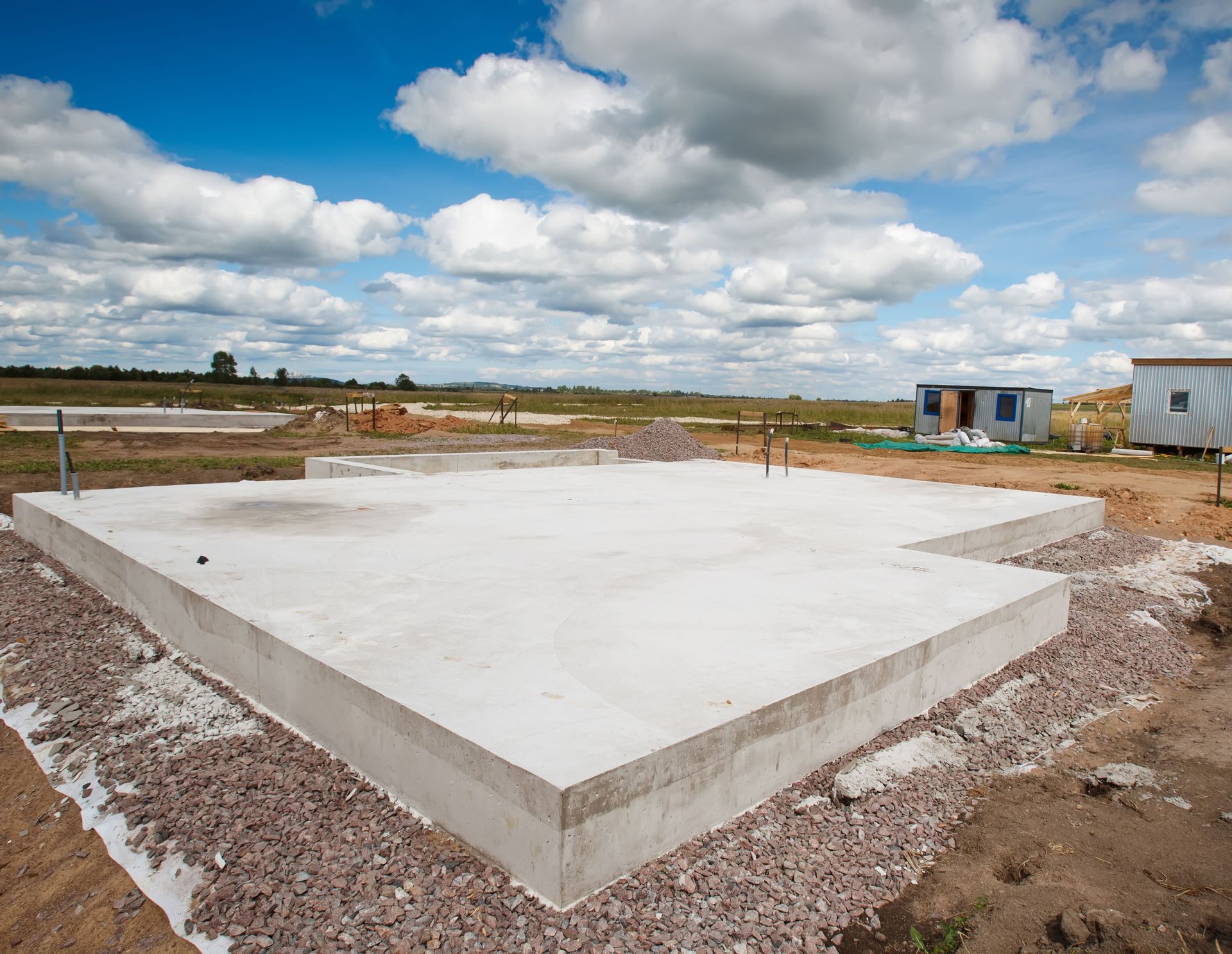
Modern land development relies heavily on advanced geotechnical investigations to examine sub-surface soil strata, load-bearing capacities, and localized groundwater activity. Engineering teams collect deep core samples to accurately evaluate compaction characteristics, shear strength, and potential soil expansion risks. These rigorous scientific findings dictate precise foundation designs, structural pad placement, and retaining wall specifications, preventing future foundation cracking or land subsidence. Comprehensive subsurface testing protects heavy capital investments by ensuring long-term structural integrity across all installed facilities.
Integrating sustainable design principles into early site engineering substantially lowers ongoing property operating expenses while increasing market appeal. Sustainable development protocols prioritize energy-efficient site layout, recycled construction aggregates, and low-impact civil infrastructure that preserve surrounding ecosystems. Implementing green practices protects regional biodiversity, reduces long-term site maintenance expenses, and creates highly marketable commercial properties that align with modern corporate sustainability goals and institutional investment criteria.
Advanced stormwater management forms another essential technical element of professional land preparation. Civil engineers design custom retention basins, permeable pavements, and underground detention structures to process severe weather runoff safely. Effective stormwater infrastructure mitigates localized flooding, prevents soil erosion, and satisfies strict environmental discharge regulations. By conducting thorough environmental impact assessments, developers implement proactive conservation plans that win fast regulatory support and shield the physical site against long-term climate risks.
Streamlining Project Management and Stakeholder Coordination
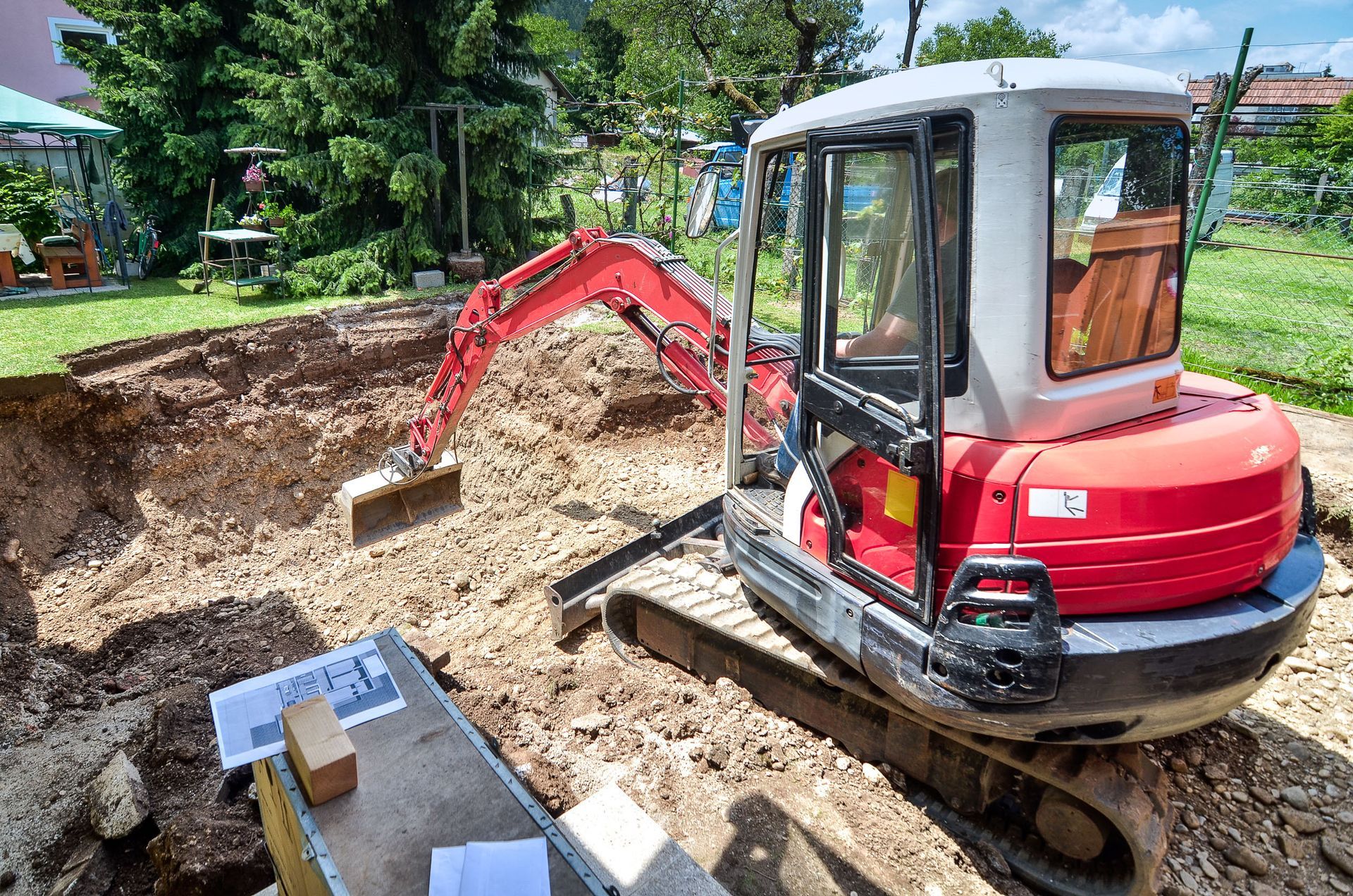
Disciplined project management keeps complex land developments advancing smoothly within strict financial and operational boundaries. Experienced project managers carefully coordinate surveying crews, mass excavation teams, utility installers, and paving contractors, eliminating workflow bottlenecks and costly equipment downtime. Maintaining continuous, transparent communication among property owners, civil engineers, general contractors, and municipal inspectors resolves technical conflicts rapidly before they trigger critical-path schedule delays or unexpected change orders.
Field adaptability remains crucial when unexpected site conditions or severe weather events disrupt daily construction operations. Experienced site managers develop comprehensive contingency frameworks to handle supply chain disruptions, subsurface rock encounters, or sudden permitting updates without compromising overall build quality. Continuous on-site quality assurance inspections verify that every phase of mass grading, trenching, and utility backfilling meets strict structural specifications and municipal code standards, ensuring absolute consistency across the entire site footprint.
Establishing centralized communication channels streamlines the decision-making process when unexpected adjustments are required on-site. Detailed digital reporting tools keep investors, bank monitors, and corporate stakeholders informed regarding actual construction velocity and financial expenditures against established milestones. This elevated operational transparency builds strong stakeholder confidence, simplifies construction loan disbursements, and keeps the overall project moving steadily toward timely commercial completion.
Leveraging Advanced Technologies in Development
Modern Geographic Information Systems (GIS) and 3D terrain modeling tools have revolutionized modern land selection, master planning, and civil design workflows. These advanced tools aggregate layer-by-layer spatial data, allowing civil engineers to analyze elevation contours, soil classifications, flood zones, and adjacent utility grids with high accuracy. Integrating Building Information Modeling (BIM) into civil engineering allows teams to visualize subterranean utility layouts, detect physical piping clashes, and correct spatial errors before ground disturbance begins, significantly reducing field rework costs.
High-precision drones and automated aerial surveying tools enhance accuracy across active job sites while accelerating site mapping timelines. Unmanned aerial vehicles rapidly collect high-density photogrammetry and LiDAR data, generating precise 3D surface models to track ongoing earthwork volumes and verify grading accuracy against original engineering specs. Utilizing real-time drone data eliminates human surveying error, optimizes heavy equipment deployment, and provides verified proof of construction progress to financial partners and project managers.
Partnering with full-service site and land development services ensures your real estate project is engineered for long-term structural integrity, regulatory compliance, and elevated asset valuation. From pre-construction feasibility audits to precision mass grading, expert oversight shields your equity from unforeseen physical hazards, permitting delays, and expensive construction change orders. For more information about the services that we offer, reach out to our incredible team at AHC Excavation Co today!