January 5, 2026
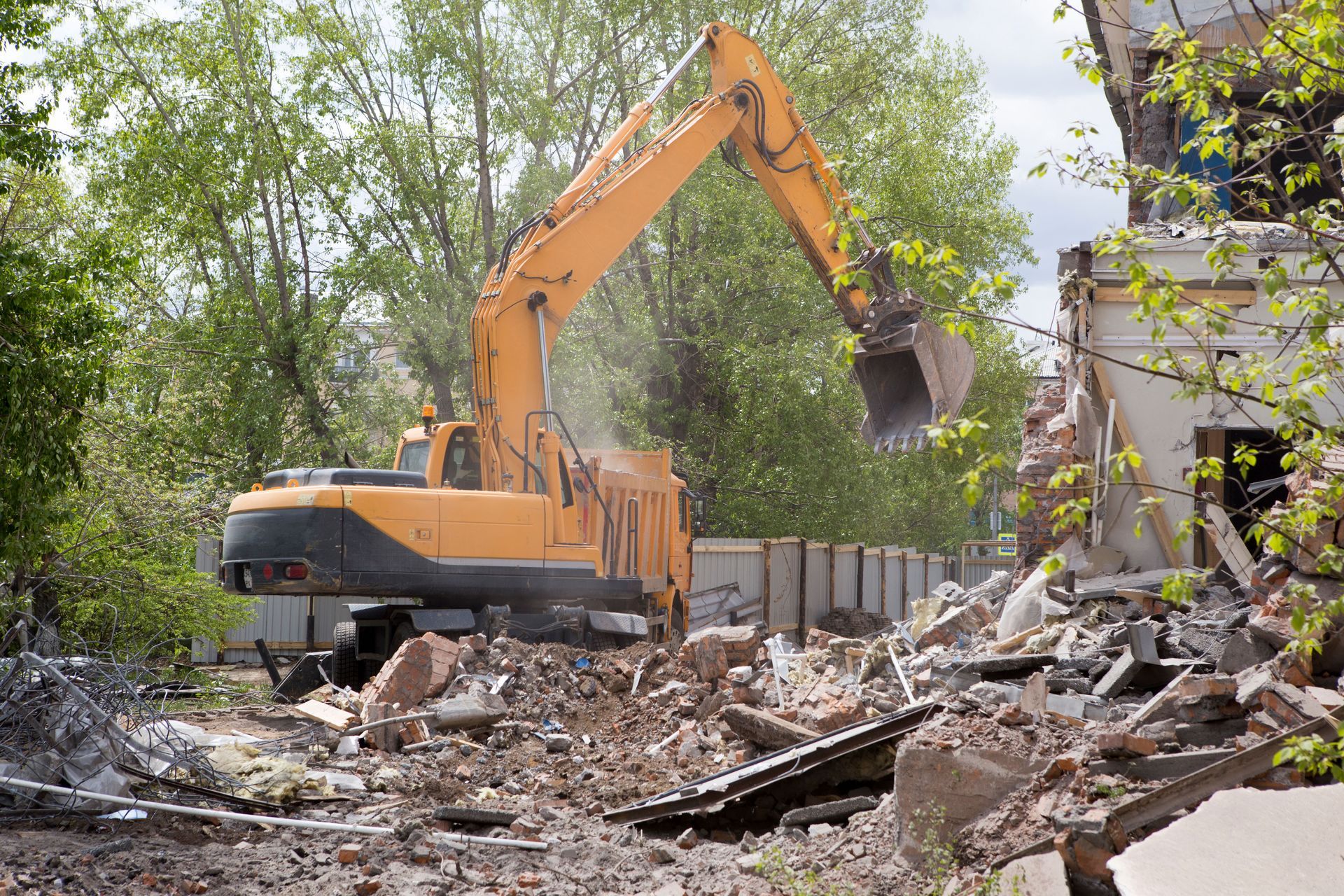
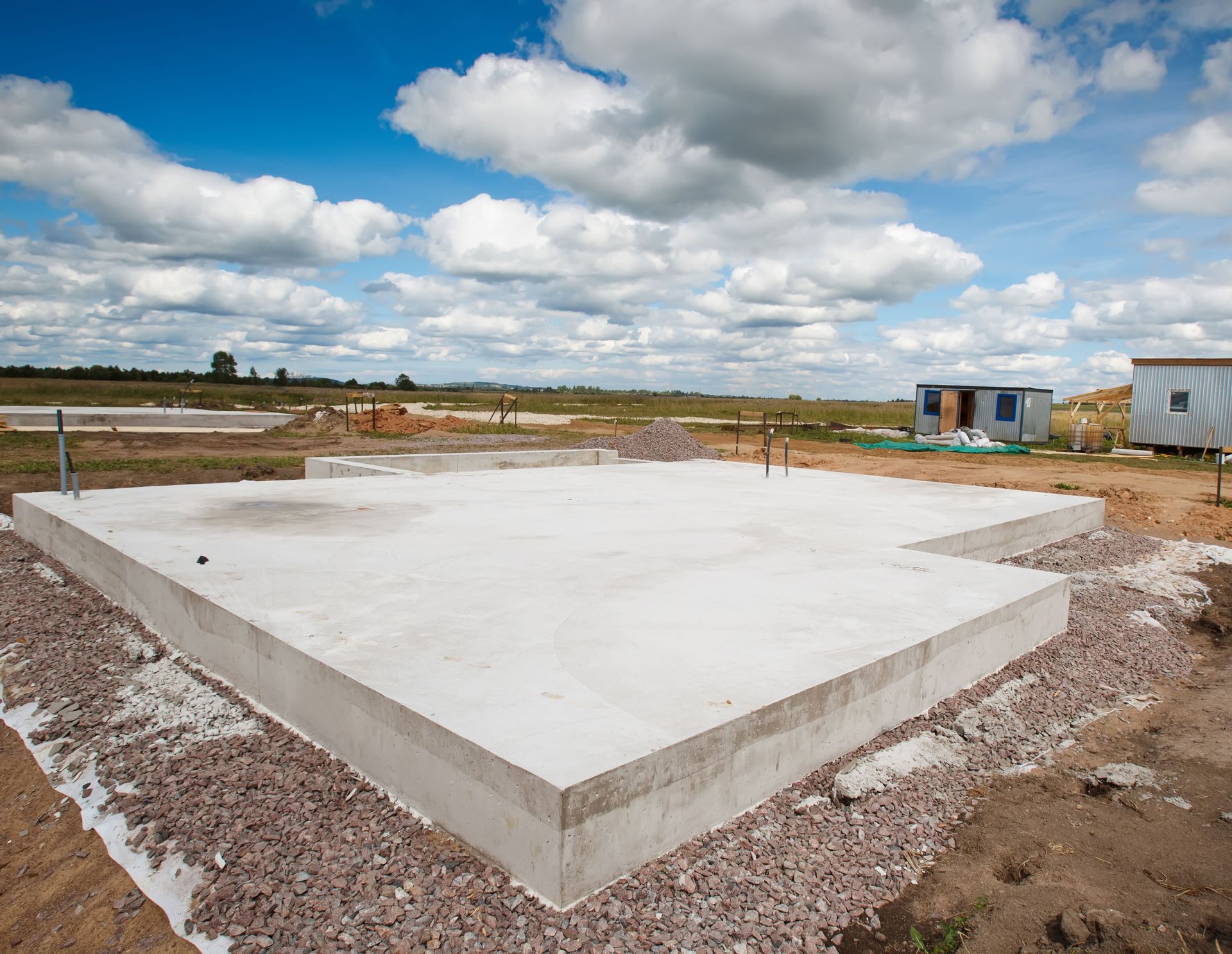
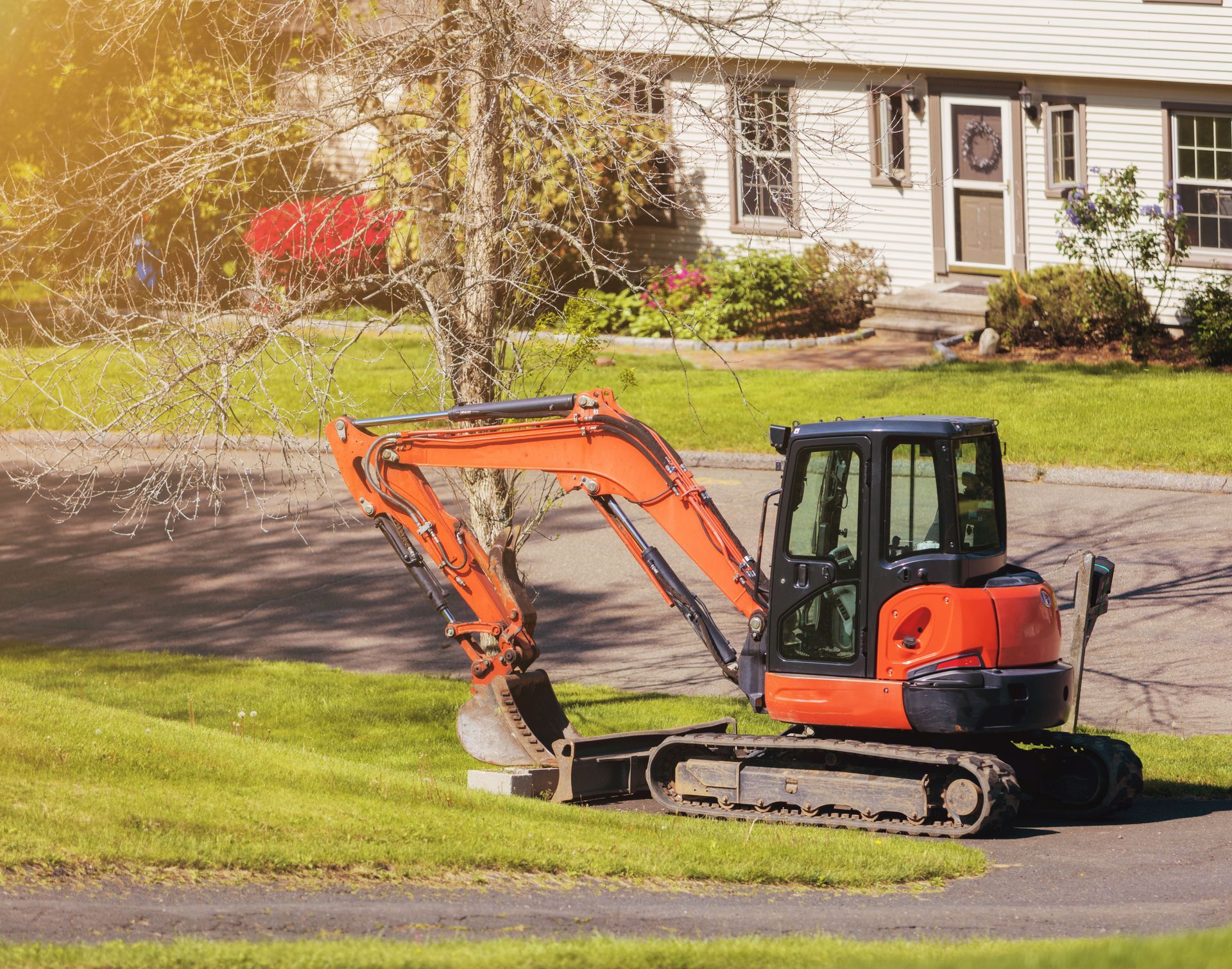
Undertaking a residential excavation project is a significant endeavor that lays the groundwork for successful home construction or renovation. A meticulous approach to hiring not only secures the integrity of your home's foundation but also safeguards against costly overruns and potential disputes. Protecting your investment begins with understanding the critical role an excavation contractor plays in achieving your residential project's objectives.
Understanding the Scope of Your Project
Assessing Project Size and Complexity
Before commencing any residential excavation work, it is essential to assess the project's size and complexity. Larger projects may require extensive earthmoving and specialized equipment, while smaller tasks might involve less intensive efforts. Understanding the scale will guide you in selecting a contractor with the appropriate resources and expertise. Moreover, recognizing the project's complexities can help anticipate potential challenges that could arise, ensuring better preparation and mitigation strategies.
Determining Technical Requirements
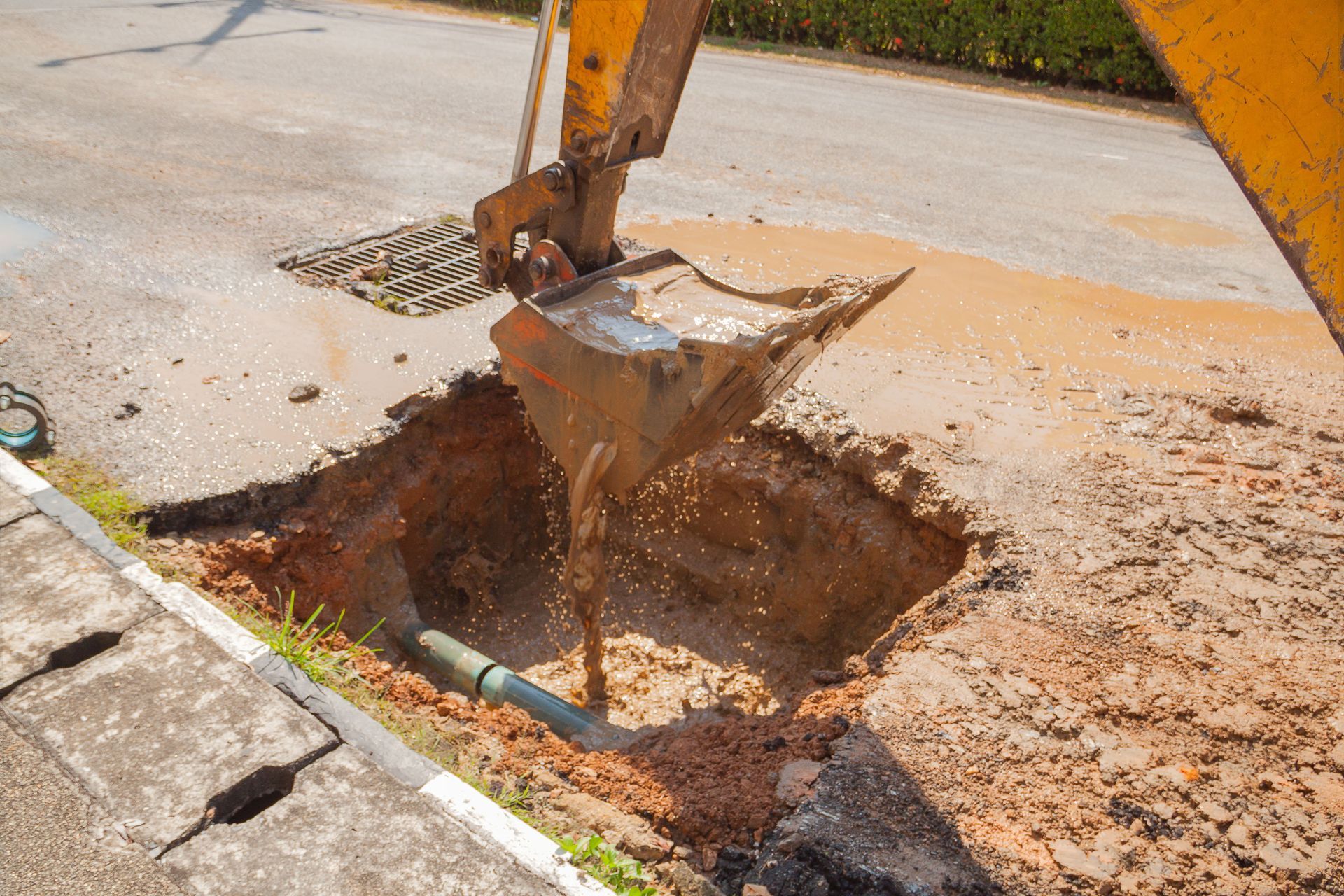
Identifying the technical requirements of your project is crucial for a successful excavation endeavor. This involves understanding the specific earthmoving techniques and machinery necessary to achieve the desired outcome. Technical requirements might include grading for proper drainage, trenching for utility installations, or soil stabilization measures. By clarifying these needs, you can ensure that the contractor you choose is adequately equipped with the technical skills and machinery needed for the job.
Estimating Budget Constraints
When embarking on a residential excavation project, prudent budget management is key. Estimating costs involves a comprehensive review of project needs, potential setbacks, and realistic expenditure forecasts. Excavation costs can vary significantly based on terrain, location, and project scope, making it crucial to account for all potential expenses. Building contingencies into your budget can help accommodate unforeseen events, ensuring financial resilience. According to the US Census Bureau, as of August 2025, there were 1,608,000 privately-owned housing completions, underscoring the importance of budget precision given the competitive nature and high stakes of residential construction.
Researching Potential Contractors
Checking Experience
Ensuring your potential contractor holds the necessary experience is a critical first step. Prior work experience indicates that the contractor is legally permitted to perform excavation work and complies with local regulations. It is advisable to request and verify proof of experience before making any commitments. This step protects you and demonstrates the contractor's commitment to quality work. Experienced professionals are more likely to be updated on best practices and safety protocols, essential for a project's smooth execution.
Investigating Reputation Through Reviews
In today's digital age, a contractor's reputation can often be evaluated through online reviews and ratings. Look for patterns in the reviews related to reliability, quality of work, and professionalism. Directly contacting previous clients for firsthand testimonials can offer deeper understanding and personal anecdotes about the contractor’s work ethic and capacities.
Comparing Portfolios of Past Work
Examining a contractor’s portfolio of past work provides tangible evidence of their capabilities and expertise. Portfolios showcase the range and complexity of projects previously completed, offering insights into the contractor's versatility and skill level. Analyze the diversity of projects, noting any similarities to the scope and requirements of your own. This can help gauge whether a contractor is well-suited to execute your specific project. Reviewing portfolios can also spark creativity, presenting ideas for innovative approaches or solutions to potential challenges.
Requesting and Evaluating Bids
Understanding Bid Components and Pricing
When evaluating bids, understanding the components and structure of each proposal is fundamental. Bids should detail cost breakdowns, covering labor, equipment, materials, and potential additional expenses. Analyzing these components helps identify discrepancies or omissions and ensures all elements are accounted for. It's crucial to compare proposals based on their comprehensiveness and alignment with your project's scope and budget.
Ensuring All Project Elements Are Included
Thorough evaluations of bids should confirm that all aspects of your project are included and properly addressed. Missing elements can lead to misunderstandings, unexpected costs, or project delays once work begins. Verify that the proposal encompasses all your goals, technical requirements, and any potential challenges discussed previously. A proposal that comprehensively addresses every aspect demonstrates the contractor's attention to detail.
Analyzing Cost and Quality Trade-offs
One of the more challenging aspects of choosing a contractor is effectively balancing costs with the expected quality of work. While affordability is important, the lowest bid may not necessarily deliver the best results. Consider the relationship between cost and quality in terms of materials, workmanship, and reliability. Weighing these trade-offs ensures a balanced investment that meets both budget and quality expectations. Prioritizing quality can prevent future issues and additional costs, safeguarding the long-term success of your project.
Verifying Contractor Qualifications
Confirming Legal and Safety Compliance
Confirming that a contractor adheres to all legal and safety compliance standards is non-negotiable. Compliance ensures that the contractor's operations meet local, state, and federal regulations, governing worker safety and environmental impact. Verification includes checking for valid licenses, permits, and adherence to Occupational Safety and Health Administration (OSHA) standards. Adhering to compliance standards protects your project from legal repercussions and ensures focus on safety and quality.
Reviewing Insurance Coverage Options
Reviewing insurance coverage options provided by your contractor is essential to mitigating potential risks. Adequate insurance covers liabilities related to property damage, worker injuries, and other unforeseen events. Request copies of insurance policies to verify coverage legitimacy, scope, and expiration dates. This step not only shields your investment from unexpected costs but also reflects the contractor's responsibility towards their business and clientele.
Checking References and Client Testimonials
Verifying a contractor's credibility through references and client testimonials provides personal validation of their work quality. Reach out to past clients to inquire about their experiences, satisfaction levels, and any issues encountered. Questions about reliability, professionalism, and the contractor's problem-solving abilities can reveal insight into their true capabilities. True testimonials often highlight both strengths and weaknesses, helping guide your decision.
Ensuring Effective Communication During the Project
Establishing Clear Lines of Communication
Effective communication is essential to the success of any residential excavation or construction project, underscoring the importance of establishing clear lines of contact with your contractor. Agree on preferred communication methods and designated contact points for timely and efficient information exchange. Regular updates and open dialogues help maintain transparency, align project progress with expectations, and address concerns promptly. A communicative relationship cultivates a cooperative work environment, fostering trust.
Scheduling Regular Progress Meetings
Implementing a schedule of regular progress meetings provides structured avenues for discussing developments, goals, and issues. These meetings allow for timely adjustments to plans and methodologies, mitigating risks associated with project delays or misunderstandings. Invite relevant stakeholders to contribute insights and updates, enhancing collaborative decision-making. Progress meetings not only promote accountability but also reassure all parties of continuous commitment to the project's success.
Addressing Issues and Feedback Promptly
Proactively addressing issues and incorporating feedback is critical in steering the project towards successful completion. Feedback from stakeholders enhances performance, optimizing efficiency and outcomes. Create an environment where team members feel empowered to voice concerns or suggestions, acknowledging the value of diverse perspectives. Address issues with a solutions-oriented mindset, seeking balanced resolutions while minimizing disruptions.
Choosing the right contractor for residential excavation work is a comprehensive process that demands due diligence, clear communication, and contractual transparency. Every step, from assessing project scope to finalizing contracts, plays a crucial role in the realization of project goals. Your commitment to thorough research, effective communication, and comprehensive documentation will ensure a successful residential excavation experience. If you are in need of a residential excavation company, contact AHC Excavation Co. today to get started!