January 9, 2026
Whether you’re planning a major landscaping project, preparing a lot for a new home, or installing a basement, working with an excavating contractor is an essential step in ensuring the job is done efficiently and safely. Excavation involves more than just digging a hole in the ground—it requires expertise, specialized equipment, and knowledge of soil conditions, permits, and site preparation. By understanding what to expect when hiring a contractor, you can save time, avoid costly mistakes, and make your project run smoothly from start to finish.
Excavation projects can vary greatly in scope, from small residential jobs like digging for a swimming pool to large-scale commercial site preparation. Knowing what services an excavation specialist offers and what processes they follow will help you communicate your expectations clearly and ensure your project is completed on schedule. Explore the following steps, considerations, and best practices when working with an excavation contractor so you can feel confident about your upcoming project.
Initial Consultation and Site Assessment
The first step when working with an excavating contractor is the initial consultation. During this stage, the contractor will visit your property to evaluate the site, understand your project goals, and assess the complexity of the work. This assessment is crucial because it informs the contractor about potential obstacles such as rocky soil, underground utilities, water drainage issues, or uneven terrain. A thorough site evaluation ensures that the contractor can provide an accurate estimate and timeline for the project.
During the consultation, it’s important to discuss the scope of your project in detail. Whether you’re planning to install a driveway, construct a basement, or landscape a large yard, the excavating specialist will want to know exactly what you hope to achieve. They may also offer recommendations on grading, soil stabilization, and drainage to optimize the results and prevent future issues.
Finally, the contractor will often provide a detailed proposal or estimate. This document typically includes the cost of labor, equipment, materials, and permits if needed. A clear, written estimate helps prevent misunderstandings and ensures that both parties are aligned before any work begins. The initial consultation sets the tone for the project and builds trust between you and your contractor.
Planning and Permits
Once you’ve selected a contractor, the next step is planning the project in detail. Planning involves creating a timeline, determining the equipment and workforce needed, and preparing the site for excavation. An experienced contractor will carefully map out the project to minimize risks and avoid delays. This stage may also involve soil testing, slope analysis, and consultation with engineers or architects to ensure the project meets safety and regulatory standards.
Obtaining permits is another critical part of the process. Many excavation projects require local government approval, particularly if the work involves altering land contours, installing utilities, or constructing a new structure. A reputable excavating contractor will be familiar with local permit requirements and can assist in filing the necessary paperwork. Handling permits properly prevents legal issues and ensures the project complies with building codes.
Planning also includes establishing safety protocols. Excavation work can be dangerous, especially when dealing with heavy machinery, deep trenches, or unstable soil. Your contractor should outline safety measures, such as protective barriers, warning signage, and emergency procedures. With careful planning and proper permits, your project will proceed smoothly and minimize risk to both workers and property.
The Excavation Process
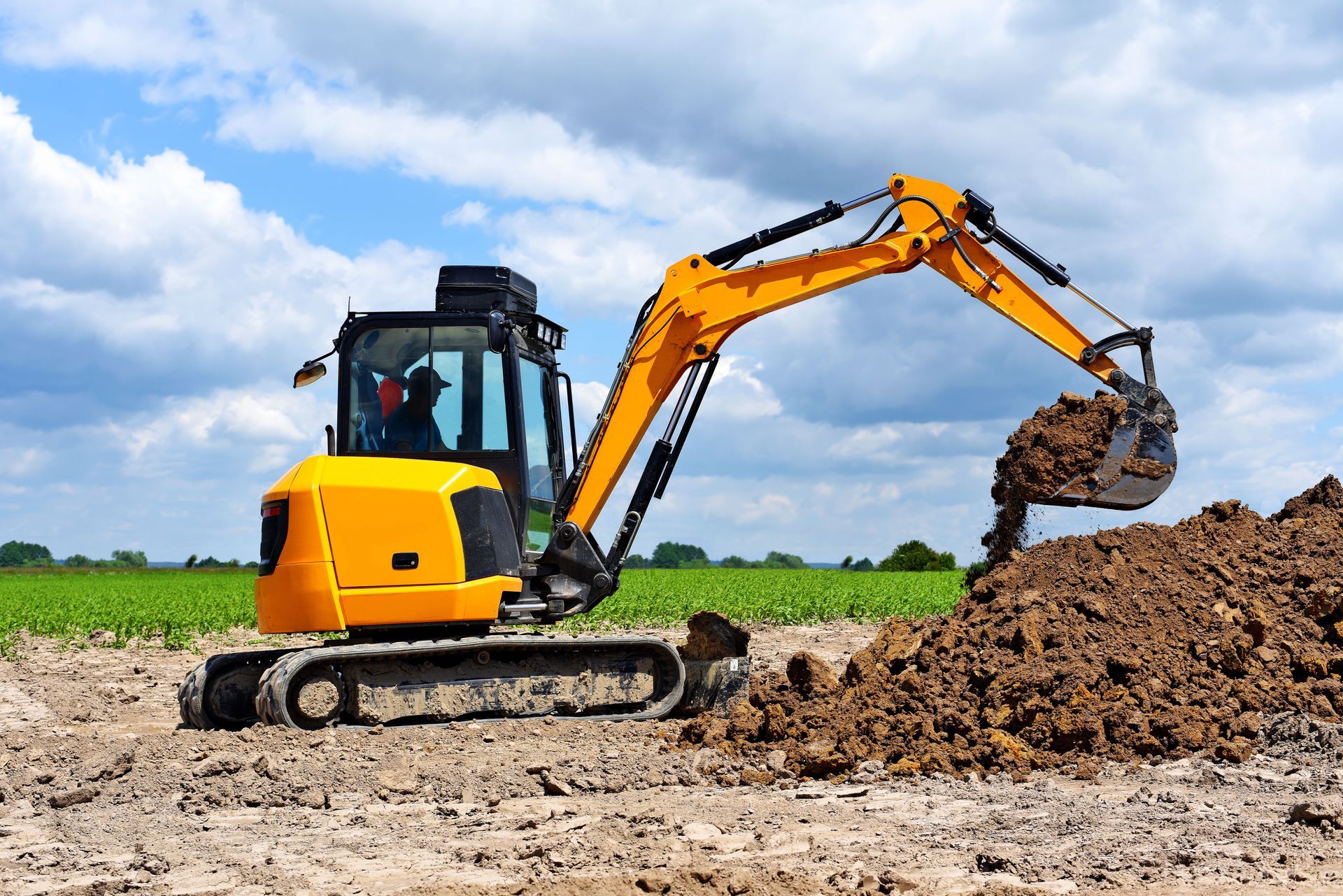
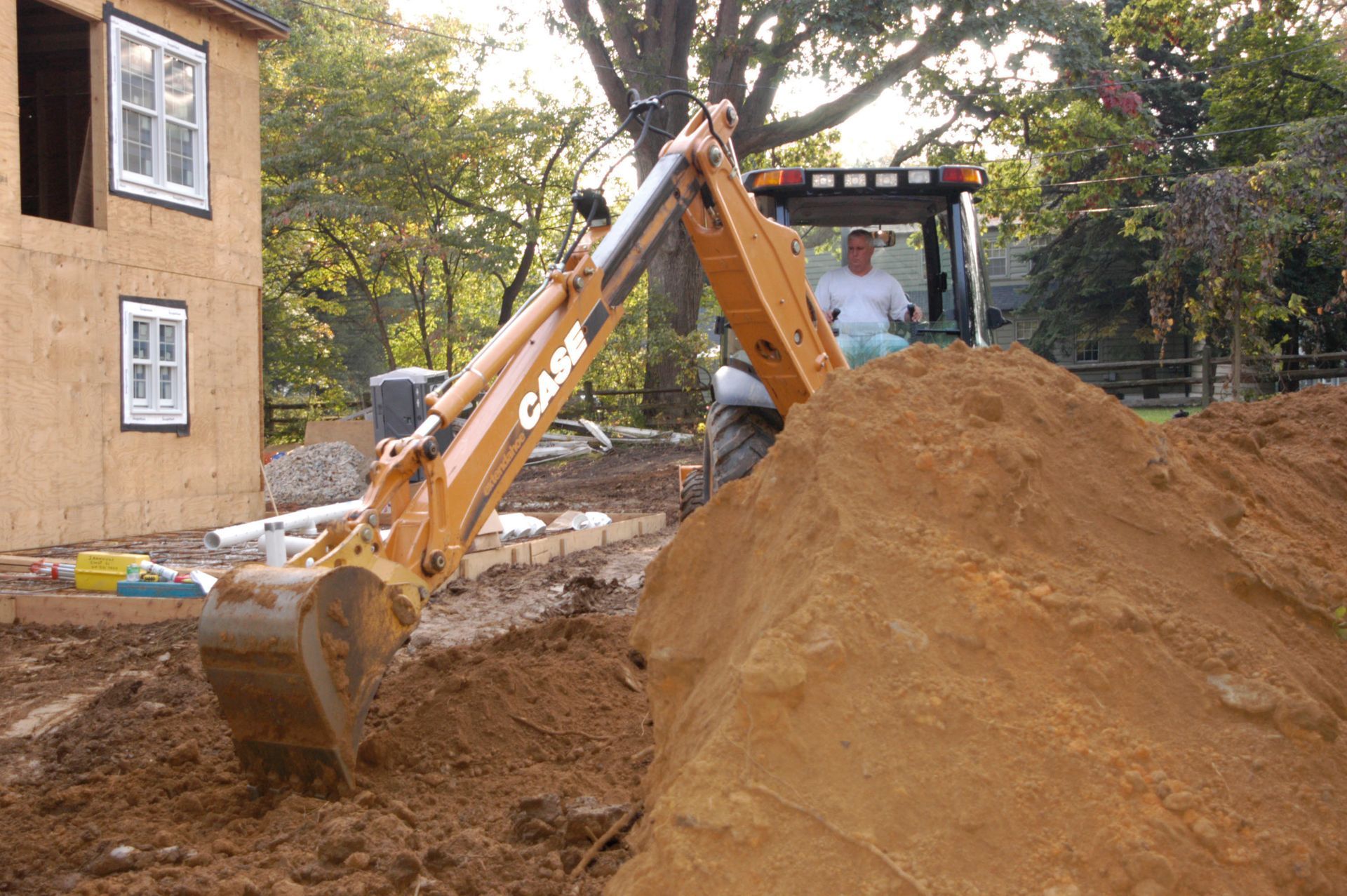
When excavation work begins, the site is first prepared by clearing any debris, vegetation, or structures that may obstruct the project. The contractor will mark boundaries and identify underground utilities to prevent accidental damage. Heavy equipment, such as backhoes, excavators, and loaders, is then brought in to remove soil, rock, or other materials according to the project specifications.
Excavation projects vary widely in scale, and the amount of soil removed depends on the size of the area being dug. According to This Old House, a basement that is 1,000 square feet in size will require excavating about 300 cubic yards of dirt. A skilled excavating contractor will calculate the exact volume of material to remove, plan for proper disposal or relocation, and ensure the excavation is level and stable. Proper soil management is key to preventing settling or structural issues in the future.
Throughout the excavation process, the contractor continually monitors the site for safety and progress. They may adjust plans based on soil conditions, weather, or unexpected obstacles. Regular communication between the homeowner and contractor ensures that everyone is aware of changes, potential challenges, and the timeline for completion. By the end of this phase, the site should be precisely prepared for the next stage of construction or landscaping.
Grading, Drainage, and Site Preparation
Excavation doesn’t end with digging a hole; grading and drainage are essential components of site preparation. Proper grading ensures that water flows away from structures and prevents erosion, flooding, or water damage. Your contractor will create slopes and contours that guide water runoff while maintaining the aesthetic and functional aspects of the project.
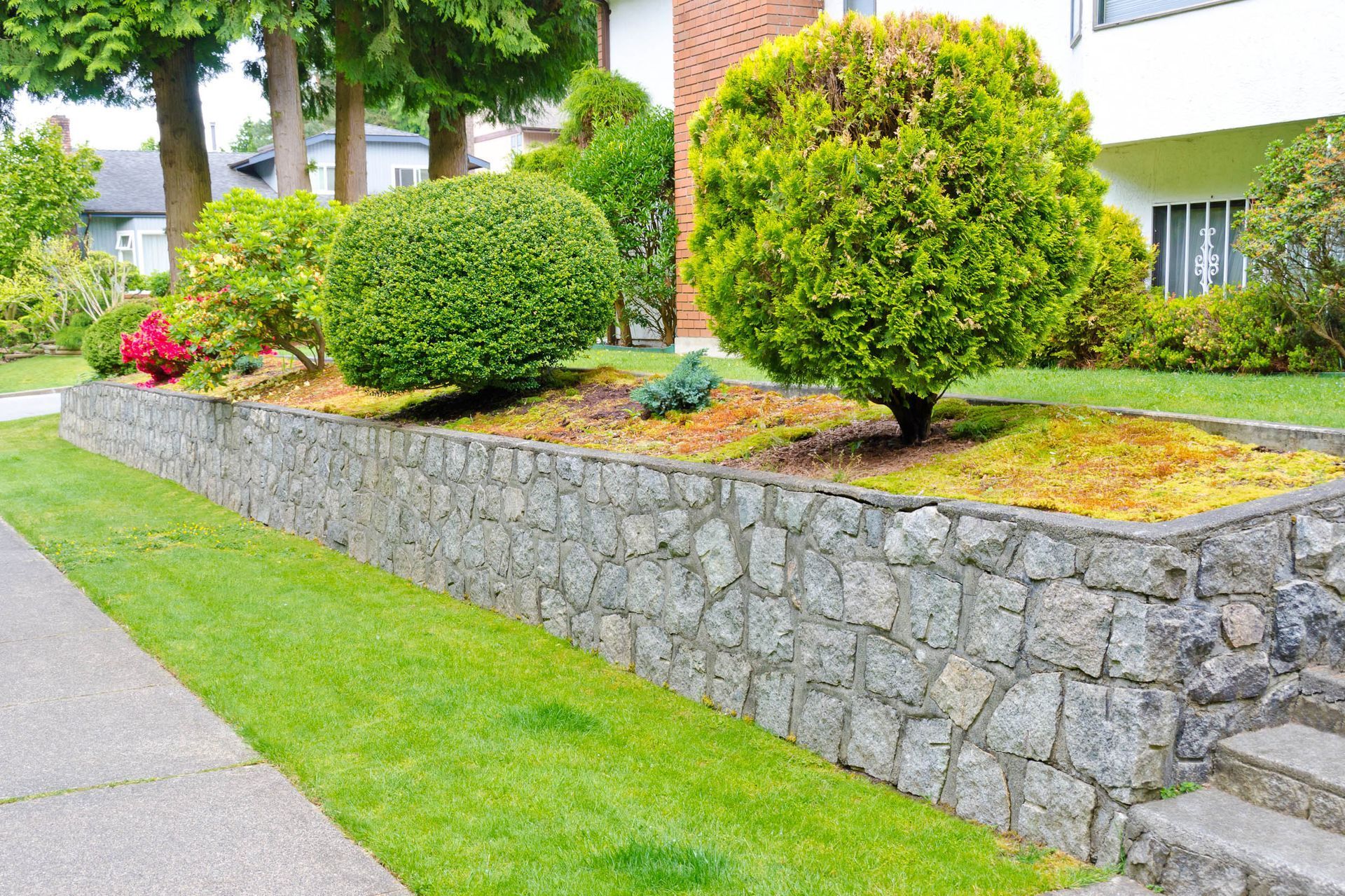
Drainage solutions may include installing French drains, catch basins, or retaining walls, depending on the property and project requirements. The contractor will assess how rainfall, runoff, and soil composition affect your site, then implement solutions to minimize potential problems. Correct drainage planning can save thousands of dollars in repairs and maintenance down the line.
Finally, the site is prepared for the next phase of construction or landscaping. This preparation may include compacting soil, removing excess debris, and ensuring that the foundation or base is level and stable. A professional excavating contractor brings experience and precision to this stage, providing a strong foundation for whatever project comes next—whether it’s a driveway, a garden, or a basement foundation.
Clean-Up and Project Completion
Once the excavation and site preparation are finished, the final stage involves clean-up and project completion. Your contractor will remove excess soil, debris, and equipment, leaving the site ready for construction or landscaping. This stage ensures that the area is safe, functional, and aesthetically pleasing.
Some contractors may also provide additional services such as backfilling around foundations, spreading topsoil, or assisting with landscaping features. These finishing touches ensure that your project looks polished and meets your original goals. A thorough clean-up demonstrates professionalism and attention to detail.
After the project is complete, the contractor should review the work with you, address any questions or concerns, and provide documentation if required for permits or inspections. Open communication during this phase helps guarantee satisfaction and sets the stage for future projects should you need additional excavation or construction services.
Working with an excavating contractor can seem daunting at first, but understanding the process and knowing what to expect makes it far more manageable. From the initial consultation to site assessment, planning, excavation, grading, and clean-up, each step requires expertise and careful coordination. A reliable contractor guides you through each phase, ensuring safety, efficiency, and quality results.
By choosing the right contractor and maintaining clear communication, you can avoid common pitfalls such as improper grading, drainage problems, or delays due to unforeseen obstacles. Excavation projects are complex, but with a professional approach, your property will be ready for construction, landscaping, or any other project you have in mind. Investing in a skilled contractor pays off with a well-prepared site, peace of mind, and the foundation for a successful project.
Ready to start your next project with an experienced excavating contractor? Look no further than AHC Excavation Co. Let our team handle the hard work so you don’t have to.