November 24, 2026
The ongoing surge in new residential construction reshapes local economies and places heavy demands on early-stage site contractors. Every home begins with extensive ground preparation, making earthmoving contractors indispensable to residential development schedules across the country. According to US Assure, housing starts were approaching 1.49 million units annually, a metric that highlights the steady reliance builders have on earthmoving machinery. This building momentum translates into an immediate need for early groundwork, dependable grading, and proper utility setup.
Clearing Lots to Prepare for Home Construction
Before any foundation work can proceed, builders must transform raw terrain into buildable land. Clearing overgrown acreage, eliminating mature trees, grinding stubborn stumps, and removing brush represent the initial phases of every home development. When builders purchase wooded or unmaintained properties, they depend on earthmoving equipment to clear vegetation and transport heavy debris away from planned work zones. A dependable residential excavation service handles lot clearing with specialized forestry mulchers and heavy excavators, turning rough ground into an orderly work zone.
Removing boulders and subsurface obstacles also protects framing and foundation teams from dangerous structural surprises down the road. Construction crews cannot begin laying batter boards or digging footings until every organic material and large obstruction is cleared from the building footprint. Fast-moving housing trends leave little margin for schedule slippage, so general contractors prioritize reliable site clearing early. Clearing land swiftly keeps construction schedules moving toward foundation installation without delays.
Excavating Basements and Digging Structural Foundations
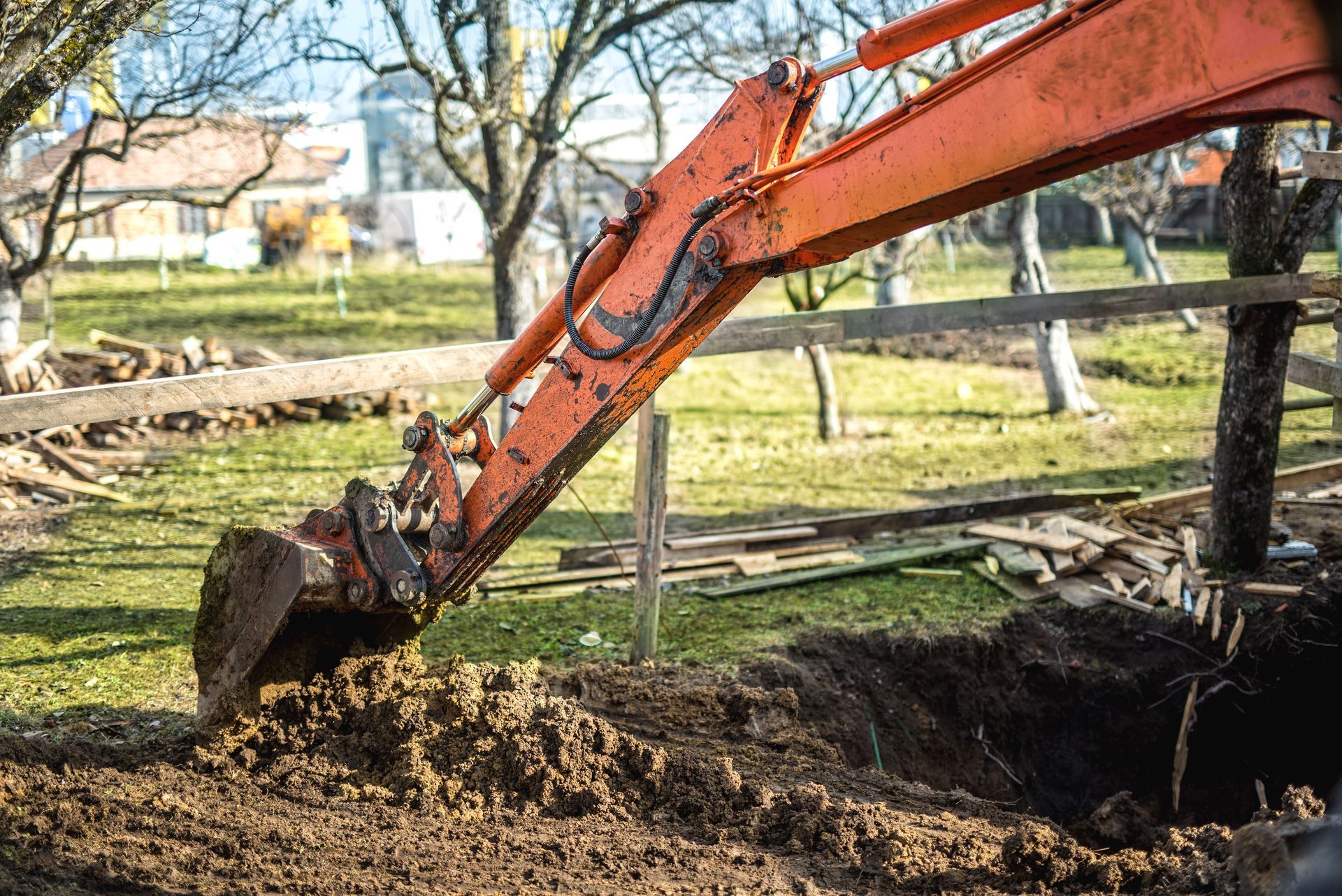
Pouring a strong concrete foundation requires exact digging according to architectural blueprints. Excavators must dig trenches for footings, grade crawl spaces, and dig deep cavities for full basements. A reliable residential excavation service operates modern machinery to dig precise basement depths, remove native soils, and shape level trenches that pass municipal inspections. The excavation process requires strict precision because uneven cuts or over-dug trenches can compromise the load-bearing capacity of footings.
Beyond the main foundation walls, builders often require specialized excavation for exterior property additions. Contractors rely on earthmoving machinery for:
- Digging out swimming pool footprints and back patio areas
- Trenching for reinforced concrete retaining walls
- Cutting subgrades for concrete sidewalks and wide driveways
When residential housing starts climb, foundation excavation crews experience high call volumes. Modern home plans frequently feature walkout basements, subterranean recreation rooms, or multi-vehicle garages that require deep subterranean cuts. Excavation machinery must move hundreds of tons of soil offsite or relocate it to designated staging areas for future backfilling. Professional equipment operators keep foundation trenches square, level, and ready for concrete forms.
Grading Land and Managing Surface Water Drainage
Water represents one of the most destructive natural forces against a home foundation. Improperly graded soil can cause rainwater to collect against basement walls, leading to hydrostatic pressure, wet basements, and cracked slabs. Earthmoving contractors address these moisture risks by contouring the soil around the house, establishing intentional swales, and shaping slopes that direct runoff away from the building envelope. Utilizing a professional residential excavation service verifies that yard leveling and site grading comply with local building regulations and stormwater guidelines.
Rough grading establishes the primary slope across the entire residential parcel during early construction. Once concrete crews finish the foundation walls and waterproofing membranes dry, excavation crews return to perform backfilling services. They place clean, well-draining fill against the foundation walls and compact it in stages to prevent future settling. Later in the build, operators complete finish grading, shaping topsoil to accommodate lawns, patios, and gardens.
Site contractors regularly implement comprehensive drainage solutions to protect newly formed structures:
- Establishing French drains and curtain drains along sloped hillsides
- Constructing swales to channel surface water toward municipal retention ponds
- Leveling uneven yards to prevent puddling near structural corners
- Implementing silt fences and temporary erosion control blankets during wet weather
Effective erosion control protects newly excavated soil from washing into nearby storm sewers during heavy rainstorms. Excavation contractors install silt fencing, diversion berms, and retention areas to keep builders compliant with environmental regulations throughout the framing phase.
Installing Critical Utility Lines and Septic Infrastructure
A newly framed home remains uninhabitable without essential utility connections. Digging utility trenches is a crucial task that bridges municipal services or private systems with the residential structure. Specialized excavators dig narrow, uniform trenches to bury electric conduit, natural gas pipes, domestic water pipes, and municipal sewer lines. A dedicated residential excavation service coordinates trench depths to keep utility pipes well below regional winter frost lines, protecting lines from cold temperatures.
In rural and semi-rural developments without municipal utility hookups, excavation contractors install private on-site wastewater systems. Digging for septic systems involves cutting large pits for concrete septic tanks, trenching for distribution boxes, and preparing expansive absorption fields. Excavators must adhere to strict elevation grades so septic effluent flows naturally by gravity into the gravel and pipe network. Accurate digging prevents premature drain field failure and keeps water tables safe from contamination.
Contractors must also account for road access to support heavy deliveries of framing lumber, trusses, and roofing materials. Excavators dig driveway subgrades, level the ground, spread crushed stone, and compact the sub-base so ready-mix concrete trucks can approach the house without sinking into mud. Establishing reliable driveway access early in the project helps prevent costly job-site interruptions.
Hauling Soil and Cleaning Construction Sites
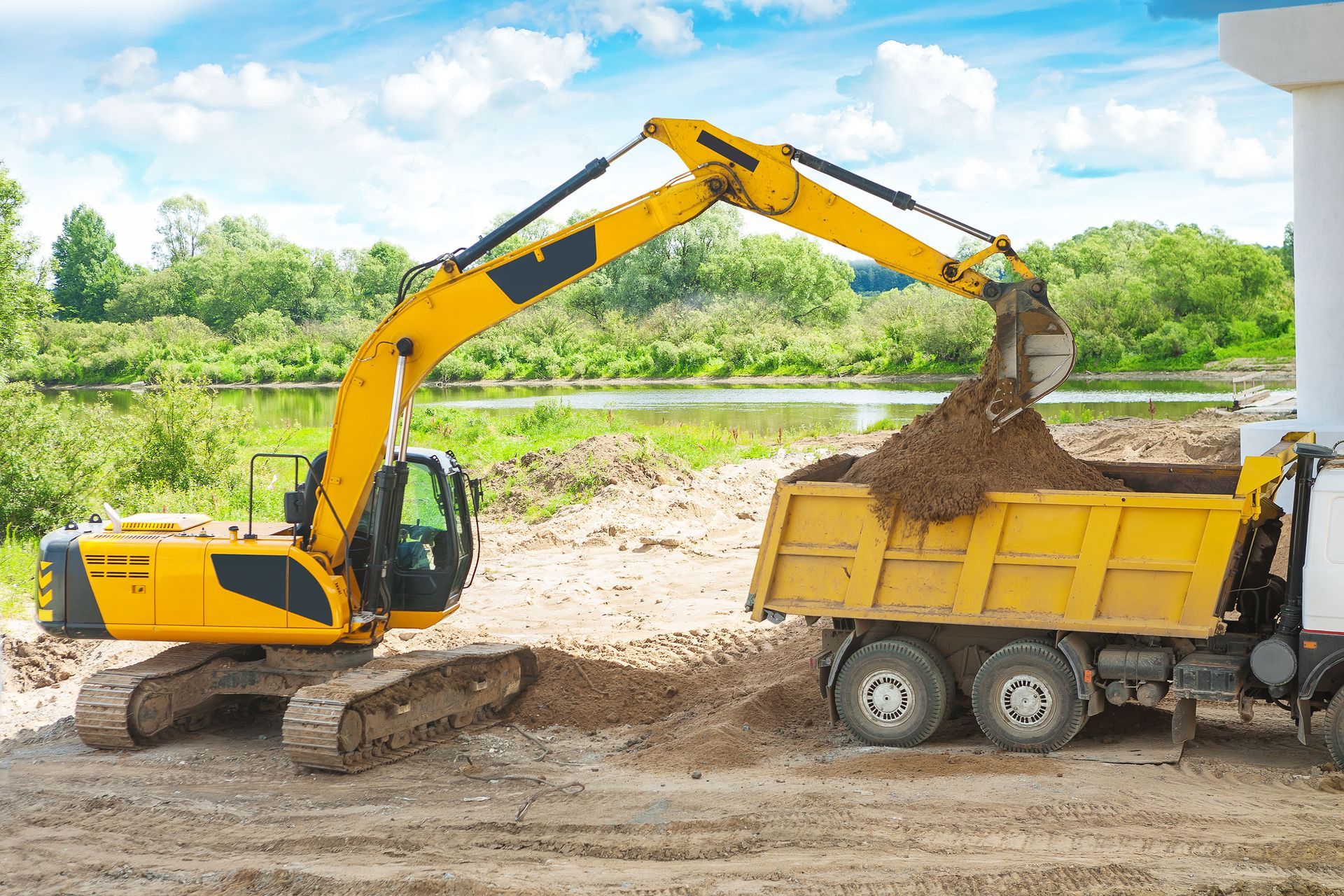
New home construction produces thousands of pounds of displaced earth, rock, and building debris. When excavators dig a full basement, the volume of removed soil often exceeds what is required for subsequent backfilling. Earthmoving companies employ heavy-duty dump trucks to haul away surplus fill, unworkable clay, and fractured stone. Managing trucking and hauling logistics keeps residential job sites orderly and allows trades to work without obstruction.
Once framing, siding, and roofing crews complete their tasks, excavation teams handle site cleanup. Heavy equipment operators break up leftover concrete slabs, remove temporary gravel access pads, and clear away scrap lumber or masonry rubble. A thorough residential excavation service leaves the property smooth, clean, and ready for sod installation or final landscape planting.
Builders value excavation partners who handle site logistics from initial clearing through final site prep:
- Hauling clean fill dirt, sand, and crushed gravel to the site as needed
- Transporting unusable clay, rock fragments, and organic debris to approved disposal yards
- Breaking up leftover concrete washouts and discarded masonry
- Performing final yard leveling to prepare topsoil for grass seed and planting beds
When market demand pushes housing starts higher, building companies rely on equipment operators to manage earthmoving tasks efficiently. Partnering with a skilled contractor allows builders to focus on framing, interior finishes, and timely project delivery.
Coordinating Heavy Equipment for Timely Project Milestones
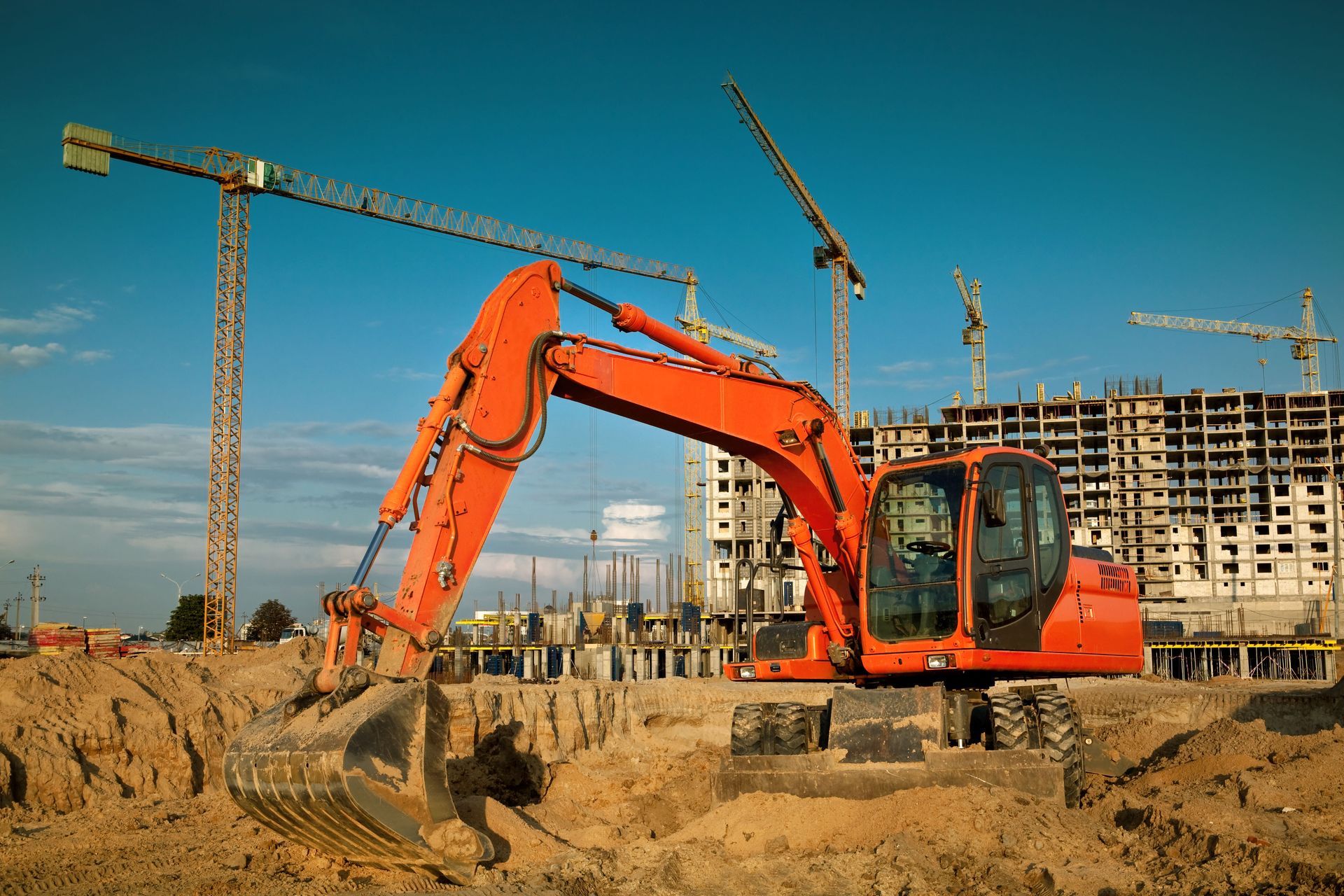
Executing ground preparation alongside rapid housing growth requires tight coordination of mechanical assets on the property. Contractors must deploy tracked excavators, backhoes, compact wheel loaders, and heavy rollers in precise sequence so no single trade faces idle downtime. For instance, foundation crews cannot pour footings if the trench perimeter remains uncompacted, and framing haulers cannot deliver heavy roof trusses if the access driveway lacks a firm sub-base. A coordinated residential excavation service synchronizes each machine delivery with regional weather patterns, shifting wet material, compacting firm soil layers, and adjusting grades before seasonal rains arrive. This methodical approach to machinery management keeps home deliveries on schedule and protects building budgets from costly site delays.
Building Reliable Homes on Stable Ground
Residential building trends show no signs of slowing, and every new residential community starts with careful earthmoving work. From clearing heavily wooded parcels and digging foundation trenches to shaping drainage swales and burying utility lines, earthmoving contractors provide the backbone of the residential construction industry. Hiring an experienced contractor makes sure that building lots remain well-drained, structurally sound, and compliant with all regional codes. When you need dependable site preparation, contact AHC Excavation Co to get your next residential building project moving on solid ground.