November 5, 2026
Installing a private wastewater management setup is a critical step when developing property outside municipal utility networks. Proper site evaluation, precise excavation, and careful component placement ensure long-term functionality while protecting surrounding groundwater quality. Engaging experienced excavation contractors guarantees that every phase of your septic system installation complies with local environmental regulations and health codes.
Assessing Soil Quality and Site Conditions First
Before breaking ground for a septic system installation, evaluating soil composition and absorption rates is essential for designing an effective drain field. Professional technicians perform perc tests and soil borings to determine how efficiently water drains through underlying earth layers. According to Deloitte, the construction industry in 2024 was defined by strong fundamentals, marked by a 10% increase in nominal value added and a 12% increase in gross output. Understanding these initial site dynamics ensures your project starts with an accurate engineering plan tailored to your property’s specific geographical conditions.
Analyzing soil porosity helps engineers determine the precise surface area required for the absorption field and prevents sub-surface system clogging over time. High clay content or dense bedrock layers severely restrict drainage, requiring specialized mound systems or engineered sand filters to process effluent safely. Additionally, identifying seasonal water table fluctuations ensures that septic lines maintain required vertical separation distances from surrounding groundwater sources. Thorough soil analysis mitigates future environmental hazards, streamlines local health department permit approvals, and guarantees that your custom-designed wastewater management system operates at peak capacity without risking surface pooling or premature drain field saturation.
Clearing Land and Removing Obstructions Safely
Preparing the septic system installation zone requires clearing trees, heavy brush, and deep root systems that could interfere with underground utility lines. Specialized land clearing equipment removes heavy vegetation, while forestry mulching converts surface growth into protective organic cover that stabilizes surrounding soil. Removing large rocks, tree stumps, and surface debris creates a clean slate for heavy excavation machinery to operate safely. Proper land clearing prevents future root intrusion into septic tank seams, distribution boxes, and perforated drain pipes.
Thorough land clearing also ensures unhindered access for heavy transport trucks and excavators, preventing equipment maneuverability delays or accidental property damage during early site preparation. Ground crews carefully identify and mark existing underground utilities to establish safe working clearances before heavy land-clearing machinery begins operations. Furthermore, shredding cleared brush into organic mulch on-site helps mitigate surface soil erosion and suppresses weed growth across exposed earth during active excavation phases. Eliminating dense vegetative cover, hidden boulder clusters, and sub-surface root structures upfront establishes a stable, accessible workspace, ensuring efficient equipment operation while protecting your long-term septic infrastructure investment.
Executing Precise Excavation and Tank Digging
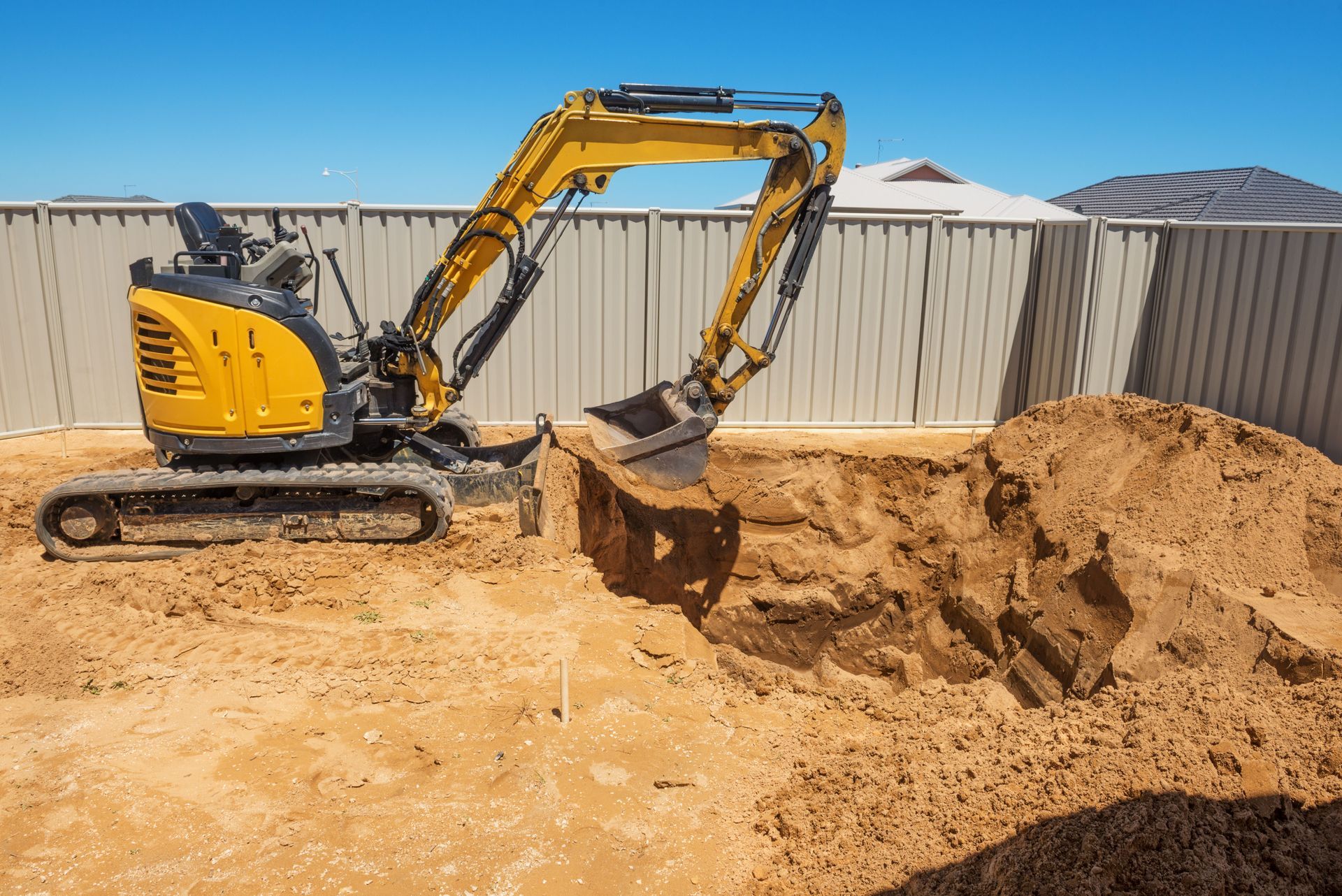
Once the site is cleared and marked, heavy machinery digs dedicated trenches for the septic tank and distribution lines. Experienced operators follow strict depth and slope specifications to ensure natural gravity drives wastewater flow efficiently through the entire setup. Choosing a qualified contractor for septic system installation guarantees that trenches remain structurally sound, preventing wall cave-ins or soil destabilization during tank placement. Precise digging prevents improper pitch, which can cause sewage backups, stagnant water accumulation, or premature pipe failures.
Mastering pitch control requires maintaining exact laser-guided grades along every foot of pipe run between the building exit and the distribution box. Even slight slope deviations cause suspended solids to separate prematurely from liquid flow, triggering persistent pipe blockages and system bottlenecks. Furthermore, skilled excavation crews carefully benchmark soil load capacities along trench floors, ensuring underlying earth can comfortably support filled concrete or fiberglass tanks without settling unevenly over time. Executing precise trenching depth and slope alignment guarantees optimal gravity-fed hydraulic flow, prevents localized soil erosion around pipe joints, and protects sub-surface infrastructure from structural failure for decades.
Leveling Surfaces and Establishing Base Support
A septic tank requires a perfectly level, compacted foundation to prevent structural cracking, seam separation, or shifting over time. Excavation teams install crushed stone, gravel, or engineered sand bases inside the excavation hole to distribute the tank's immense weight evenly. Proper yard leveling and backfilling services around the tank perimeter protect structural integrity against hydrostatic pressure from high water tables. Taking time to establish a solid foundation ensures long-term operational stability and prevents costly tank realignment repairs in the future.
Failing to compact the underlying gravel bed creates localized soft spots, causing heavy concrete tanks to tilt and stress inlet and outlet pipe connections over time. As the tank settles unevenly, rigid PVC pipes experience shear forces that break seals, leading to hazardous raw sewage leaks around the perimeter. Professional crews carefully measure foundation elevation using precision laser levels before setting the tank, ensuring a perfectly flat sub-base. Furthermore, backfilling the surrounding cavity with uniform, self-compacting aggregate prevents soil settlement around distribution lines. Establishing a level base preserves structural integrity, protects pipe connections from structural stress, and guarantees smooth gravity-fed operation for decades.
Installing Exterior Utilities and Pipe Connections
Connecting the septic tank to your building requires digging precise utility trenches for main sewer feed pipes. Specialized utility trenching services ensure incoming line pipes sit below local frost lines to prevent freeze damage during severe winter weather. Professional operators also manage water line installation and sewer line installation concurrently, ensuring safe separation distances between potable water supply pipes and wastewater lines. Establishing proper pipe pitch and watertight seals at every connection point protects your property from hidden underground leaks.
Precision alignment during utility trenching eliminates sharp pipe bends that create frequent waste clogs and restrict wastewater movement. Trench floors must be thoroughly compacted and bedded with fine aggregate to prevent soil settling, which causes sagging pipes where stagnant liquid collects. Maintain strict horizontal and vertical separation between fresh water supply lines and sewer pipes to comply with health safety codes and prevent cross-contamination. Expert excavation operators use laser-guided grading equipment to maintain uniform pipe slope across the entire distance to the septic tank, ensuring smooth, gravity-driven flow and reliable, long-term system performance without pipe stress or joint failure.
Building Retaining Structures and Managing Drainage
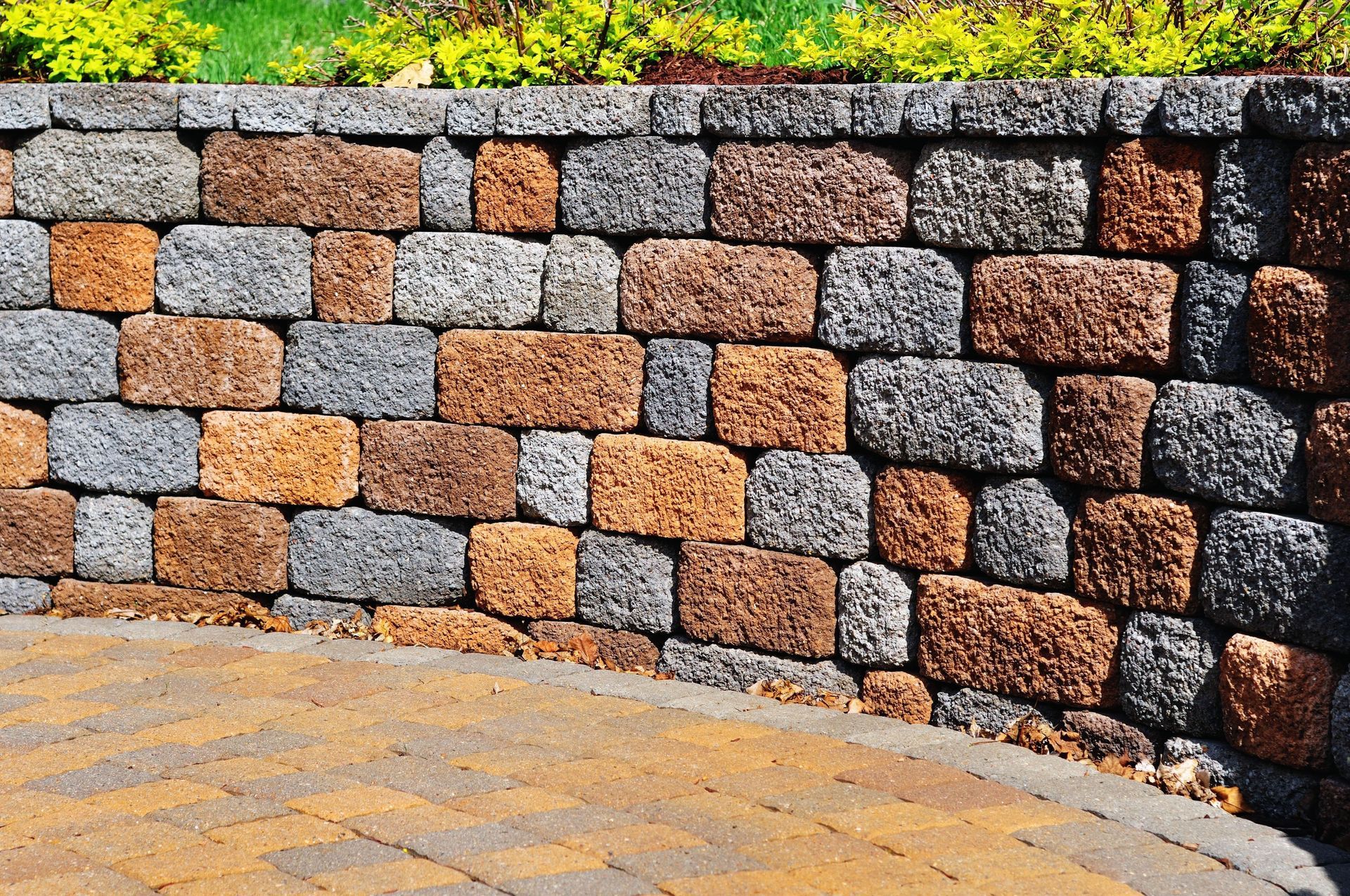
Sloped properties often require custom earthwork to prevent soil erosion from compromising underground leach fields. Constructing engineered retaining walls stabilizes steep hillsides, preventing heavy rainwater runoff from washing away topsoil over delicate absorption trenches. Implementing custom yard drainage contractor solutions, such as curtain drains or swales, redirects excess surface water away from the drain field. Managing perimeter surface water prevents the leach field soil from becoming oversaturated, ensuring wastewater filters through unsaturated soil layers effectively.
Installing subsurface interceptor drains along uphill contours captures migrating groundwater before it reaches the absorption area, preventing hydraulic overloading during heavy rainfall. Carefully balancing site topography using tiered retaining walls and precision swales protects delicate leach field trenches from surface erosion, ensures uniform effluent distribution throughout soil layers, and prolongs the overall operational lifespan of your entire wastewater management system.
Backfilling Trenches and Completing Final Grading
After tanks, distribution boxes, and leach field lines pass final municipal inspections, the excavation zone is carefully backfilled. Operators layer clean soil over pipes and tanks, compacting the earth gently to avoid crushing delicate PVC components or shifting pipe levels. Comprehensive driveway grading and land grading restore natural ground contours, directing rain runoff smoothly off the property without pooling near sub-surface components. Final septic system installation site cleanup contractor services remove extra rocks, heavy clay, and construction waste, leaving your yard smooth, stable, and ready for landscaping.
Planning your wastewater infrastructure with precision ensures reliable performance, healthy surroundings, and long-term property value. Contact AHC Excavation Co. today to request a free estimate on your upcoming septic system installation, site prep, land clearing, or professional grading project.