July 18, 2026
Every construction project relies on a stable base to ensure long-term durability and safety. The relationship between the earth and a building is complex, requiring careful analysis before any breaking of ground occurs. Without a deep understanding of local ground dynamics, even the strongest materials can experience catastrophic failures over time.
Soil acts as the primary support system for any heavy building or engineering project. Different types of earth respond uniquely to environmental pressures, moisture changes, and weight distribution. For this reason, examining earth composition is the most critical phase of any initial engineering and construction assessment.
When engineering teams neglect earth variations, the consequences manifest as cracks, shifting walls, and uneven floors. Understanding these subsurface elements protects investments and guarantees that buildings remain secure for decades. Developing a proactive approach to ground assessment helps avoid expensive remediation efforts after construction concludes.
Achieving structural longevity requires looking beneath the surface to identify potential hidden dangers. Many site owners mistakenly believe that all land is fundamentally identical prior to development. However, ignoring the unique characteristics of your specific site can lead to devastating structural problems later.
Analyze the Composition of Clay
Clay particles are exceptionally small and packed tightly together, creating unique challenges for heavy engineering projects. This material retains immense amounts of water, causing it to swell dramatically during rainy seasons. Conversely, during dry spells, clay shrinks and creates large voids beneath heavy concrete slabs.
This continuous cycle of expansion and contraction exerts immense pressure on structural foundations over time. When the earth shifts drastically beneath a building, the concrete above begins to crack and settle unevenly. Property owners often notice sticking doors or sloping floors as direct results of this subterranean movement.
Managing clay requires specialized engineering techniques to prevent localized shifting and long-term damage. Builders often replace sections of clay with stable aggregates or use deep pillars to bypass the unstable layers entirely. Relying on professional soil testing helps identify clay presence before building designs are finalized.
Altering the moisture content of clay prematurely can trigger sudden shifts in the building base. Proper grading and drainage around the perimeter help maintain consistent moisture levels in the earth. Keeping this environment stable prevents the drastic swelling that threatens the integrity of your concrete work.
Evaluate the Behavior of Sand
Sandy earth features large particles that allow water to drain rapidly away from the surface. While this prevents the swelling issues associated with clay, sand presents its own unique structural vulnerabilities. Loose sand particles can shift easily under heavy weight, especially when subjected to moving groundwater.
Without proper confinement, sandy earth can wash away entirely from beneath structural foundations, leaving them completely unsupported. This subterranean erosion leads to sudden sinking or catastrophic structural shifts during heavy storms. Ensuring that sand is properly compacted before pouring concrete is vital for maintaining long-term stability.
Furthermore, sand is highly susceptible to seismic vibrations, which can cause the ground to behave like a liquid. Engineering teams must design specialized footings that distribute weight over a wider surface area when working with sand. This preventive approach keeps the building secure even during environmental shifts.
Mechanical compaction uses heavy machinery to force loose sand grains tightly together, eliminating large pockets of air. This process drastically increases the load-bearing capacity of the site before any building materials arrive. Uncompacted sand remains a significant hazard that should never be ignored during development.
Assess the Impact of Loam
Loam is frequently considered the ideal earth type due to its balanced combination of sand, silt, and clay. It retains moisture well enough to remain cohesive without swelling excessively or shrinking during dry spells. This predictable nature makes it highly desirable for supporting a wide variety of building projects.
Even with its balanced traits, loam still requires proper compaction to prevent gradual settling over several decades. Uniform density across the entire building site prevents uneven weight distribution and localized stress points on structural foundations. Regular density checks ensure the ground is ready to bear heavy weight safely.
Moisture management remains necessary even when working with high-quality loam surfaces. Proper grading around the building perimeter prevents water from pooling near the structural foundations and weakening the supporting earth. Keeping the ground uniformly hydrated preserves its natural load-bearing capacity permanently.
Organic matter within loam can decay over time, creating small voids that might cause minor settling. Excavators must remove the top layers of organic topsoil before starting any heavy concrete work. Reaching the more stable subsoil layers guarantees a firm, unchanging surface for your building project.
Observe the Movement of Water
Water is the most influential variable affecting how earth behaves beneath structural foundations. A rising water table saturates the earth, significantly reducing its natural ability to support heavy weights. This saturation can cause structural foundations to sink deeper into the mud than originally planned by engineers.
Hydrostatic pressure occurs when water accumulates against underground walls, pushing inward with immense, continuous force. This pressure can crack thick concrete barriers and cause severe basement flooding over time. Installing comprehensive drainage systems around the building perimeter mitigates these hidden water dangers effectively.
- French drains divert groundwater away from sensitive underground walls.
- Waterproof membranes prevent moisture from seeping directly into concrete.
- Sump pumps remove accumulated water from low-lying interior zones
- Gutters and downspouts direct rainwater far away from the building perimeter.
Allowing water to pool near a building erodes the supporting earth and causes localized settling. Over time, this concentrated erosion creates hollow spaces that leave the concrete above entirely unsupported. Managing surface water runoff is just as crucial as controlling subsurface water tables.
Prioritize the Safety of Excavation
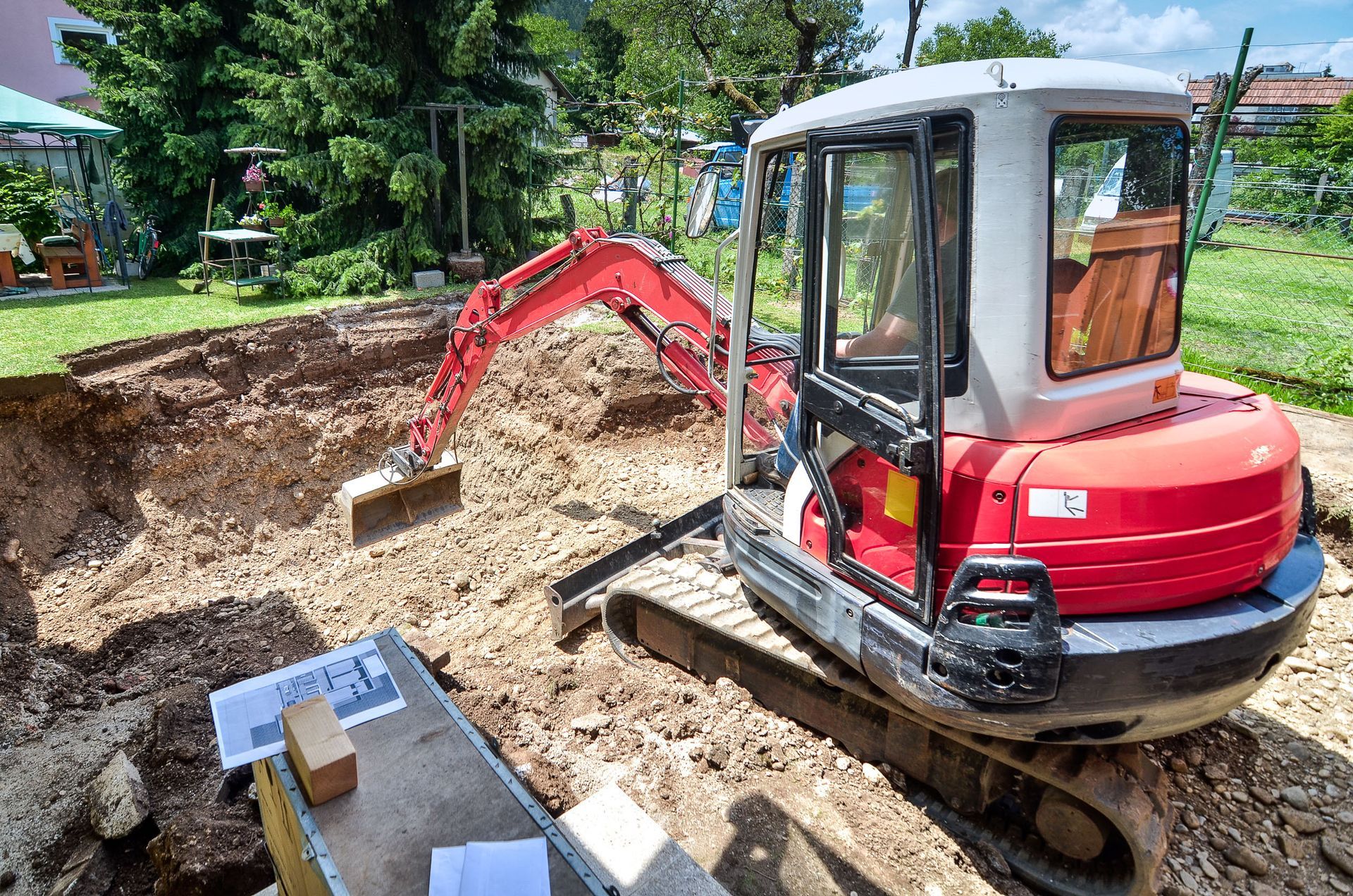
Digging into the earth alters its natural balance and creates immediate risks for workers and nearby structures. Unstable trench walls can collapse without warning if the excavated earth is piled too close to the opening. This weight adds immense stress to the edge of the open pit.
Proper management of displaced earth is mandatory for preventing dangerous cave-ins and protecting surrounding structural foundations. According to OSHA, excavation professionals should keep excavated soil and other materials at least two feet from trench edges.
- Store heavy machinery far away from open trench perimeters.
- Use protective trench boxes to shield workers from potential collapses.
- Inspect open excavations daily for signs of shifting or moisture accumulation.
- Sloping the sides of the trench helps prevent heavy dirt from sliding downward.
Adhering to these strict safety margins prevents ground shifting that could threaten adjacent structural foundations. When the earth remains stable during digging, the integrity of the entire site is preserved. Safety protocols protect both human life and the long-term viability of the building project.
Implement the Best Testing Practices
A thorough geotechnical investigation is the only definitive way to determine how earth will respond to heavy weight. Engineers extract deep core samples to analyze the distinct layers of earth hidden beneath the surface. This data allows teams to customize building plans to match the exact conditions of the site.
Skipping this diagnostic phase introduces immense risk and can lead to structural failure after construction finishes. The cost of performing early testing is minimal compared to repairing cracked systems later. Accurate data ensures that builders select the correct materials and depth for the building base.
Once the testing concludes, builders can confidently select the ideal excavation and reinforcement methods. Tailoring the construction process to the specific earth profile ensures that the building remains completely immobile. This scientific approach eliminates guesswork and guarantees a safe, durable final product.
Investing in early testing saves property owners from experiencing catastrophic financial losses in the future. It provides a clear blueprint that guides every single phase of the upcoming excavation process. Knowing the exact limitations of your ground removes the anxiety from heavy development work.
Securing your building project requires an expert understanding of earth dynamics and precise digging techniques. Partnering with experienced professionals ensures that your project starts on a safe, completely stable foundation. Reach out to AHC Excavation Co today to schedule an expert site assessment and guarantee the long-term safety of your next build.