May 29, 2026
Property owners often look for ways to improve the usability, appearance, and long-term stability of their outdoor spaces. Sloped terrain, drainage concerns, and soil movement can create challenges that affect landscaping and structural integrity over time. This is where retaining walls become an essential part of a well-planned property design. These structures help hold soil in place while creating functional outdoor areas that are easier to maintain and enjoy.
Modern retaining walls can also elevate curb appeal and support a more polished landscape design. Whether installed near gardens, driveways, patios, or commercial spaces, they provide both practical and visual benefits. Professional planning and installation are critical because these systems must withstand pressure from soil, moisture, and changing environmental conditions.
Understanding Retaining Wall Functions
Retaining walls serve an important role in managing uneven land and supporting soil that would otherwise shift or erode. They create level areas that can be used for landscaping, seating spaces, pathways, or structural support around buildings. Without proper stabilization, sloped areas may experience water runoff issues and gradual land movement that can damage surrounding features.
Professional contractors evaluate the condition of the soil, drainage patterns, and slope pressure before recommending a design. This process ensures the finished structure can handle environmental stress while remaining visually appealing. Proper planning also minimizes the risk of cracking, leaning, or premature deterioration.
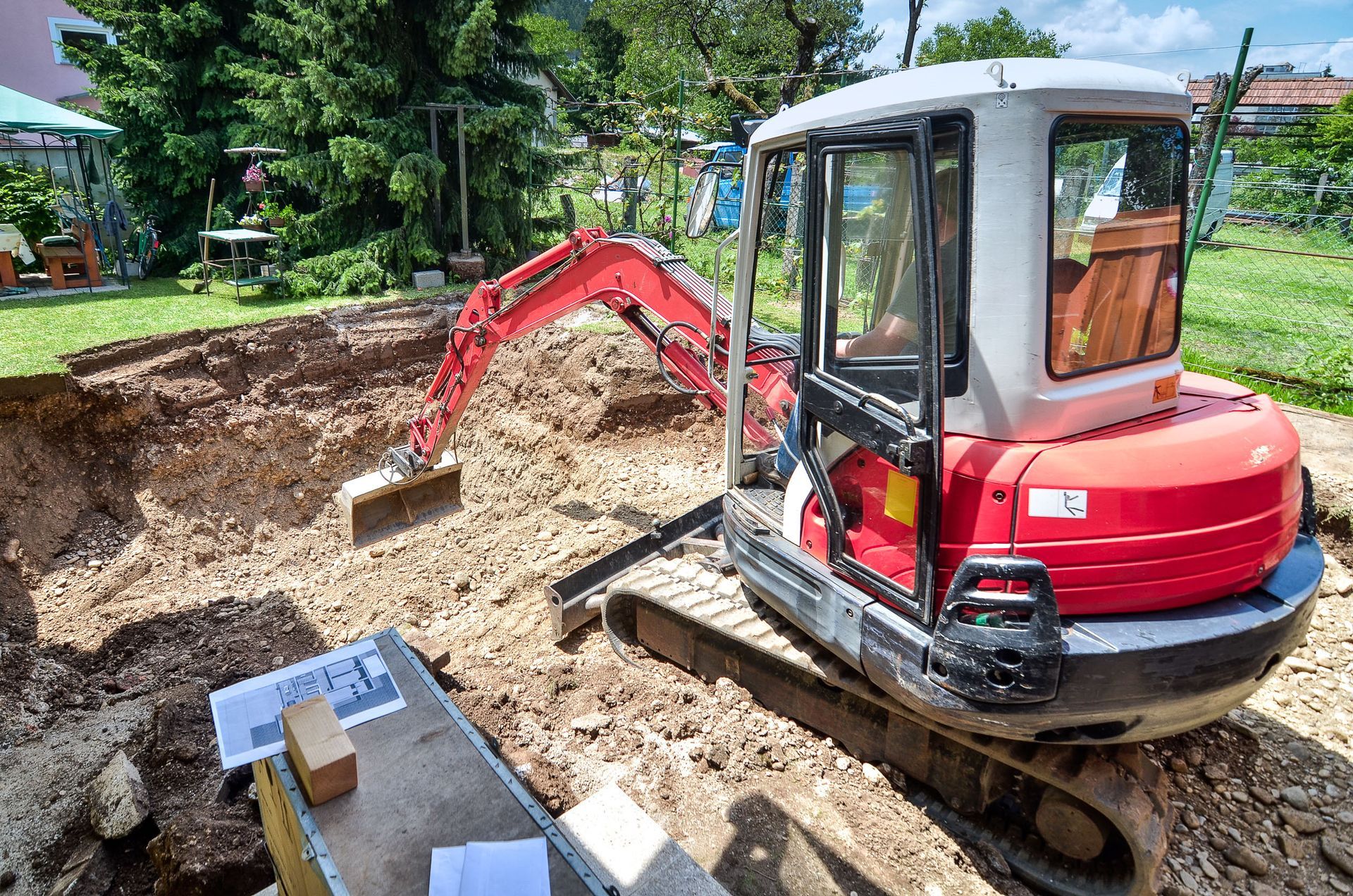
Retaining walls may appear simple from the surface, but they rely on careful engineering and excavation techniques. According to This Old House, excavation for a basement measuring 1,000 square feet can involve the removal of 300 cubic yards of soil, highlighting the significant amount of earth movement that may be required during large-scale landscape and foundation projects. Large retaining wall projects can involve similar excavation demands depending on the terrain and property conditions.
Exploring Retaining Wall Materials
One of the most important decisions during the planning process involves choosing the right material. Different materials provide unique visual styles, durability levels, and maintenance requirements. The best option often depends on the property’s design goals and environmental conditions.
Concrete retaining walls are popular because of their durability and versatility. They can complement modern, industrial, or minimalist landscapes while offering excellent structural support. Many property owners appreciate the clean appearance and long lifespan associated with concrete systems.
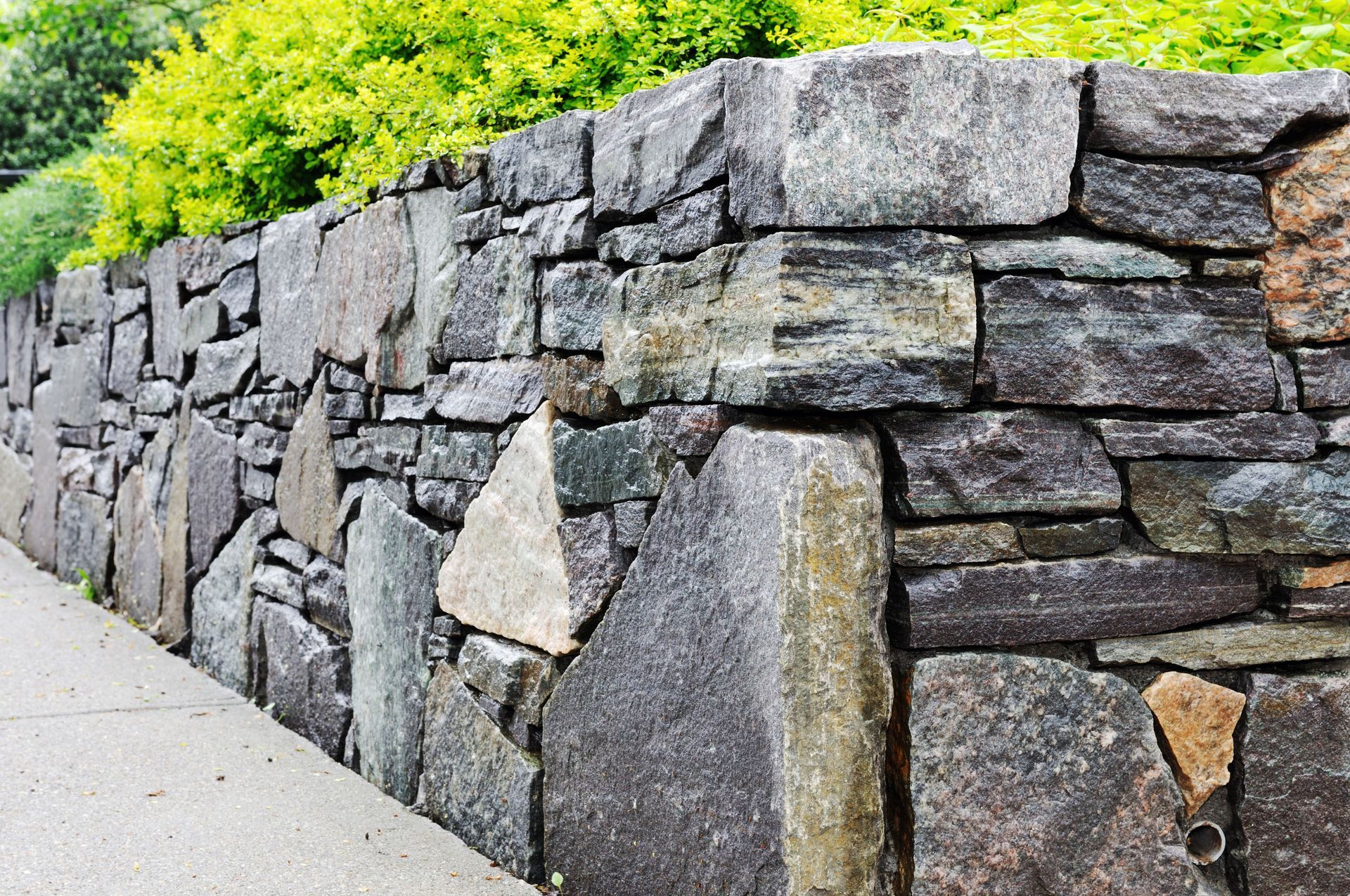
Natural stone retaining walls provide a timeless and upscale look that blends beautifully with outdoor environments. Stone can create a more organic appearance while delivering reliable support for sloped terrain. These walls are often chosen for luxury landscaping projects or properties with rustic aesthetics.
Timber retaining walls offer a softer and more natural appearance that works well in certain residential settings. However, timber may require more maintenance and may not last as long in areas exposed to excessive moisture. Contractors often help property owners compare the advantages and limitations of each material before construction begins.
Evaluating Drainage and Soil Conditions
Drainage plays a critical role in the success of retaining walls. Water buildup behind the structure can create excessive pressure that weakens the wall over time. Without proper drainage systems, even well-constructed walls may experience shifting, cracking, or structural failure.
Professional installers typically include drainage solutions such as gravel backfill, perforated pipes, and water diversion systems. These features help move moisture away from the structure while reducing hydrostatic pressure. Proper drainage planning is especially important in areas prone to heavy rain or fluctuating weather conditions.
Soil composition also affects the design and construction approach. Clay-heavy soil may retain more moisture, while sandy soil can shift more easily. Contractors analyze the site conditions carefully to determine the best foundation and reinforcement methods for the project.
Drainage planning can also influence the surrounding landscaping design. Proper grading and water management contribute to healthier lawns, gardens, and outdoor living spaces. A retaining wall should function as part of a complete property improvement strategy rather than as a standalone feature.
Comparing Retaining Wall Styles
Retaining walls are available in a wide variety of styles to suit different architectural preferences and landscape layouts. Some designs focus primarily on structural performance, while others emphasize decorative appeal. Understanding these options allows property owners to create a cohesive outdoor environment.
Gravity retaining walls rely on their own weight to resist soil pressure. These walls are often constructed using heavy materials such as stone or concrete blocks. Their substantial appearance can create a bold visual statement while offering dependable support.
Cantilever retaining walls use reinforced construction methods to distribute pressure more efficiently. These systems are commonly used for larger or more demanding projects where additional structural support is necessary. Professional engineering is especially important for these designs.
Tiered retaining walls create multiple levels within a sloped landscape. This approach can transform difficult terrain into visually appealing outdoor areas with gardens, seating spaces, or pathways. Tiered retaining walls are popular in both residential and commercial landscaping because they add depth and dimension to the property.
Choosing the right style depends on the intended use, surrounding architecture, and long-term property goals. Professional guidance helps ensure the design balances appearance with structural reliability.
Planning Professional Installation Services
Successful retaining wall projects require careful coordination from the initial design phase through final installation. Professional contractors evaluate elevation changes, property boundaries, drainage concerns, and soil conditions before construction begins. This planning process helps prevent complications and supports long-term durability.
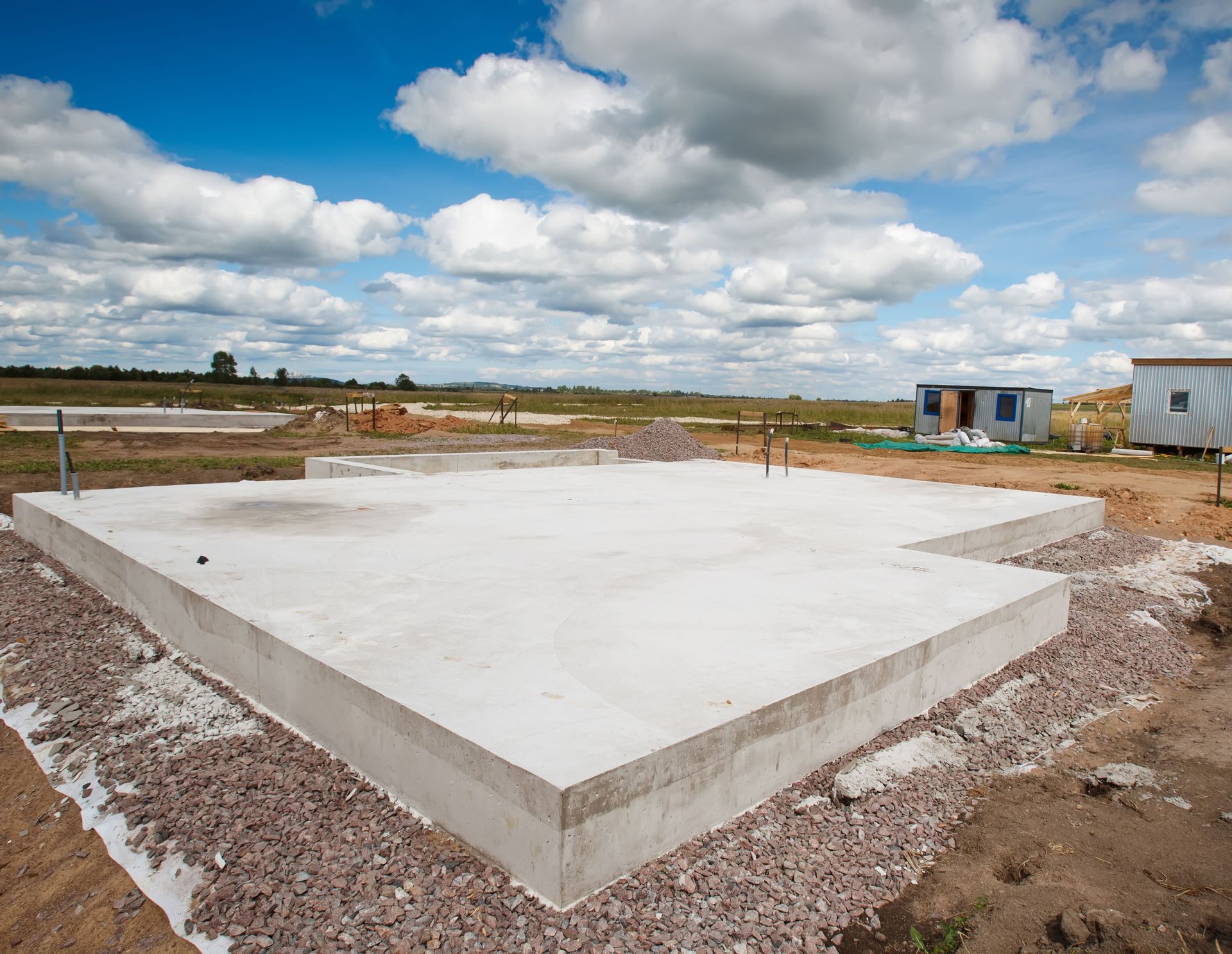
Excavation is often one of the most important stages of the project. Contractors must create a stable foundation capable of supporting the wall and resisting soil movement. Improper preparation can compromise the integrity of the entire structure.
Professional installation teams also understand local building codes and permitting requirements. Certain retaining walls may require inspections or engineering approvals depending on their height and location. Working with experienced professionals helps property owners navigate these regulations more efficiently.
Construction timelines can vary based on material selection, weather conditions, and site accessibility. Larger projects may require additional excavation equipment and reinforcement systems. Clear communication between contractors and property owners helps ensure realistic expectations throughout the process.
Retaining walls should never be approached as simple cosmetic additions. Their structural function makes precision and expertise essential during every stage of construction. Investing in professional installation helps reduce the risk of future repairs and structural issues.
Maintaining Long-Term Wall Performance
Even well-built retaining walls benefit from ongoing maintenance and periodic inspections. Regular evaluations help identify early signs of wear, drainage issues, or soil movement before they become more serious problems. Proactive care can significantly extend the life of the structure.
Property owners should monitor the area around the wall for changes in grading, pooling water, or shifting soil. Vegetation growth may also affect the wall if roots begin to place pressure on the structure. Landscaping should be managed carefully to avoid compromising stability.
Cleaning the wall surface can help preserve its appearance and prevent buildup from moisture or debris. Different materials may require different maintenance approaches, so professional guidance can be valuable when caring for retaining walls over time.
Drainage systems should also be inspected periodically to ensure water continues flowing properly. Blocked drainage components can create hidden pressure behind the wall, leading to gradual deterioration. Addressing minor concerns early is often more cost-effective than waiting for major repairs.
Professional inspections provide added peace of mind, especially after severe weather events or noticeable landscape changes. Contractors can assess whether the retaining wall continues performing as intended and recommend adjustments if necessary.
Retaining walls provide far more than visual enhancement for outdoor spaces. They help stabilize soil, improve drainage management, protect landscapes, and create more functional property layouts. With so many materials, styles, and structural considerations available, professional planning becomes essential for achieving safe and lasting results.
From excavation and foundation preparation to drainage integration and material selection, every detail contributes to the performance of retaining walls. Working with experienced professionals ensures the structure is designed to withstand environmental pressures while complementing the surrounding landscape.
If you are considering improving your property with professionally designed retaining walls, our team at AHC Excavation Co., is ready to help us create durable, attractive solutions tailored to your landscape and long-term property goals.